Table of Contents
List of Figures
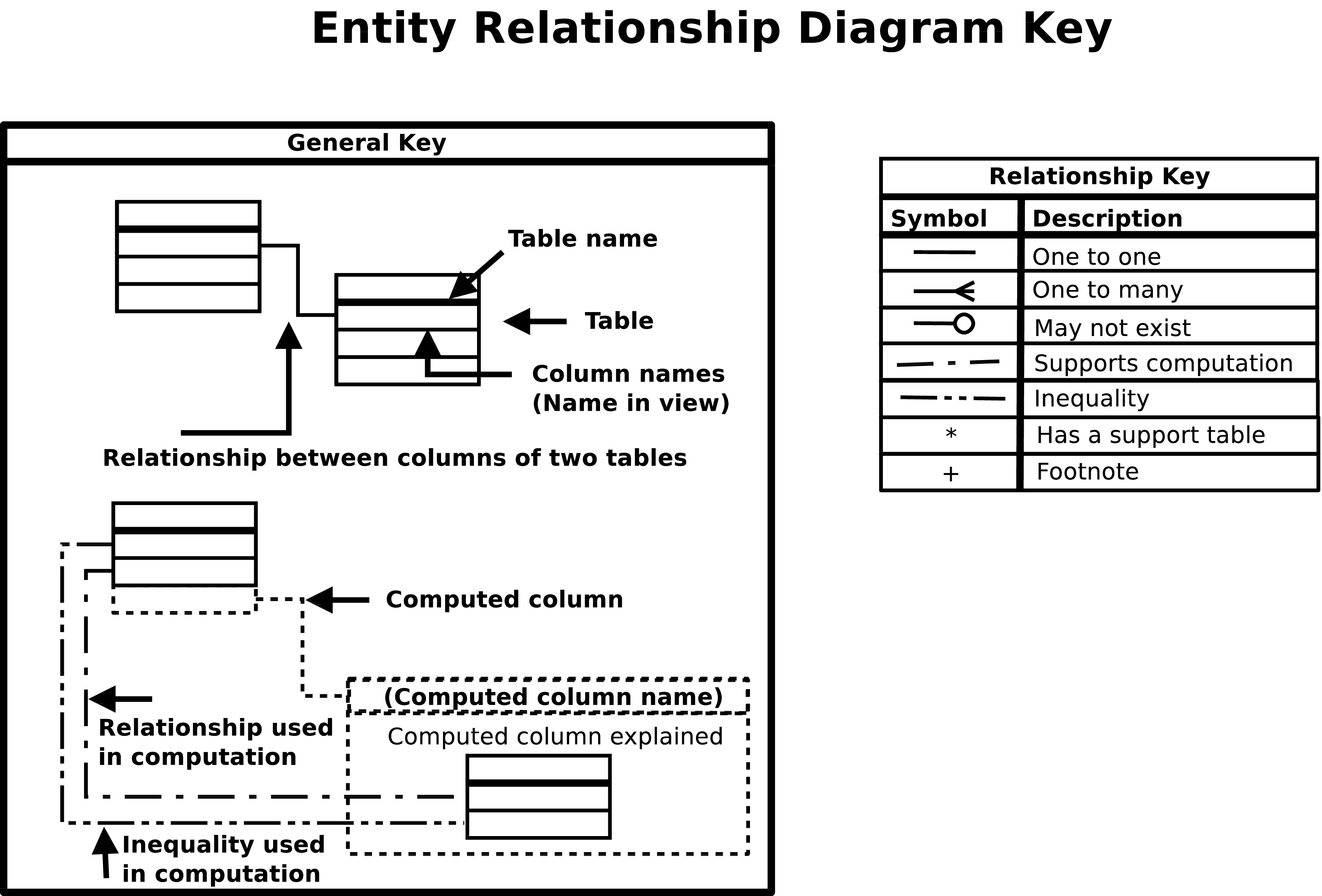
- 1. Key to the Gombe-MI Entity Relationship Diagrams
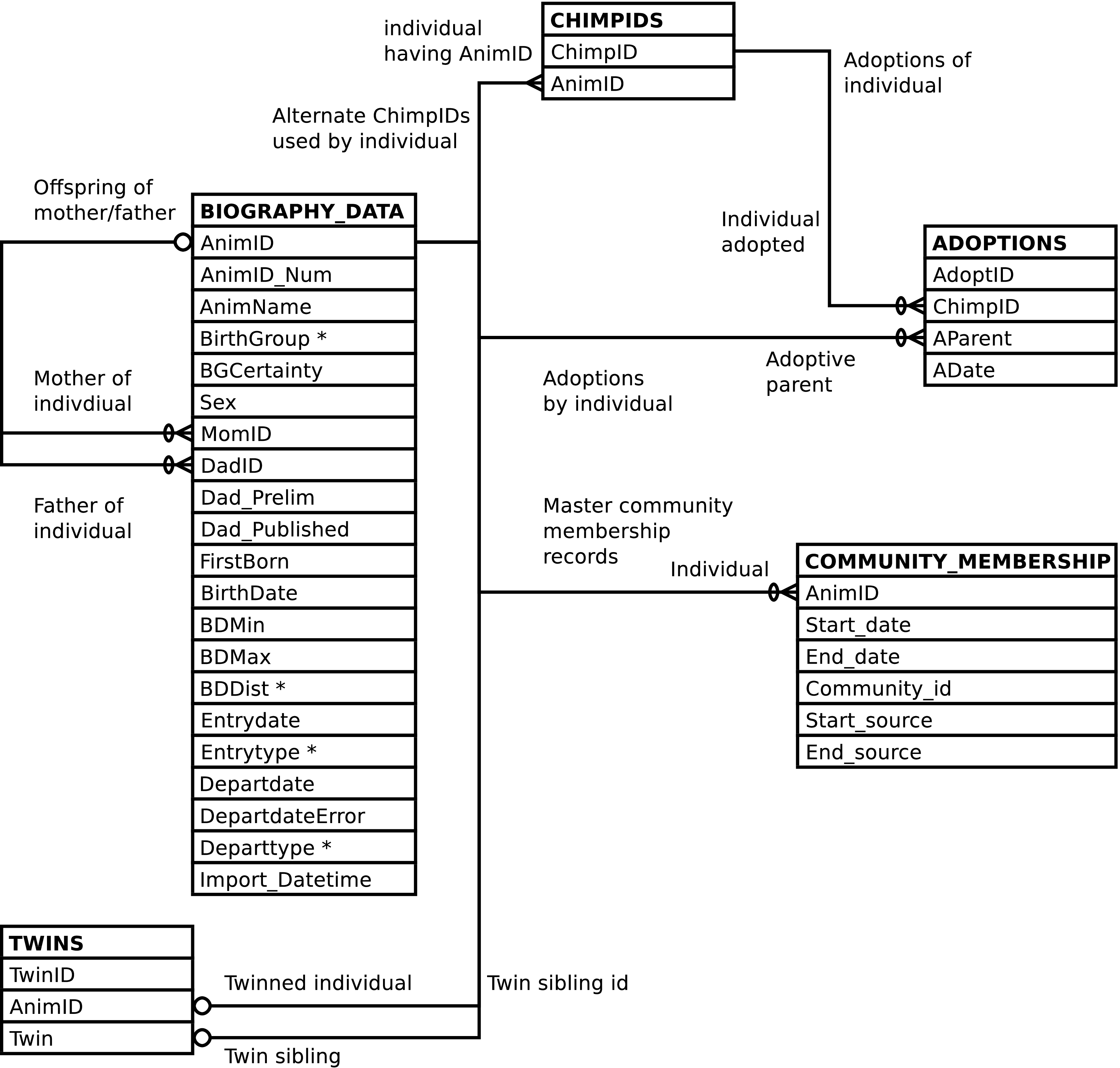
- 2. Gombe-MI Demography Entity Relationship Diagram
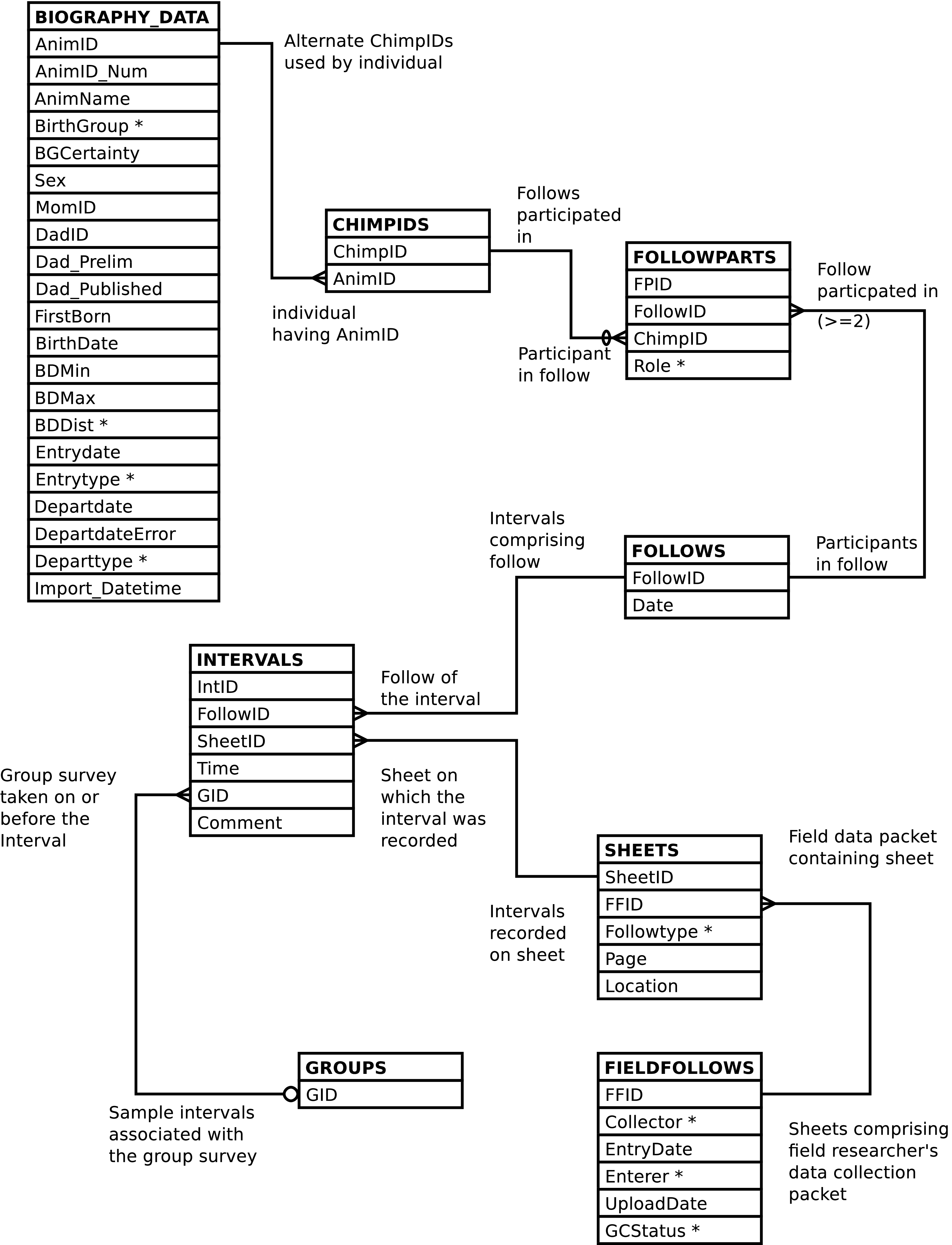
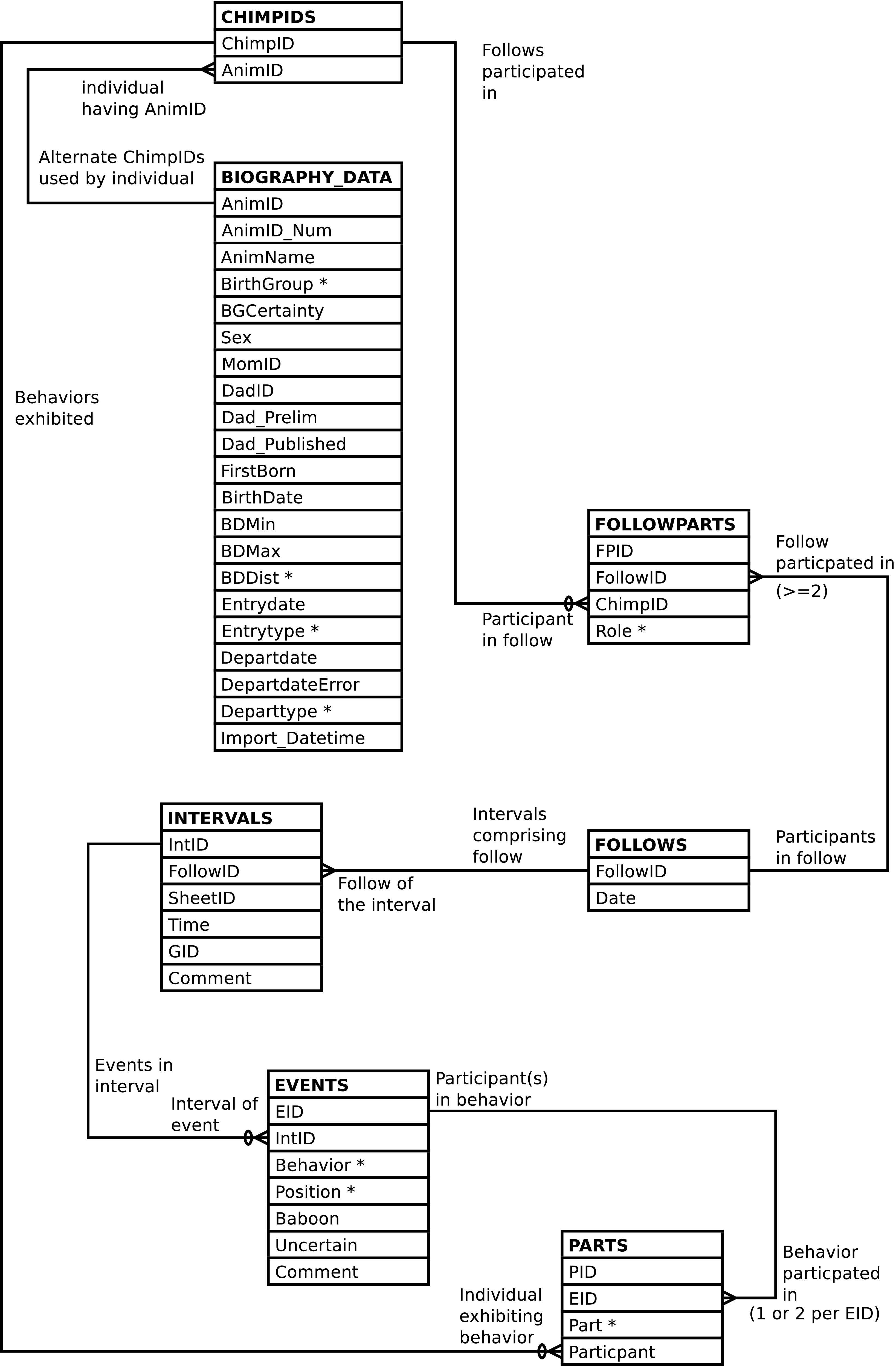
- 3. Gombe-MI Essentials of a Follow Entity Relationship Diagram
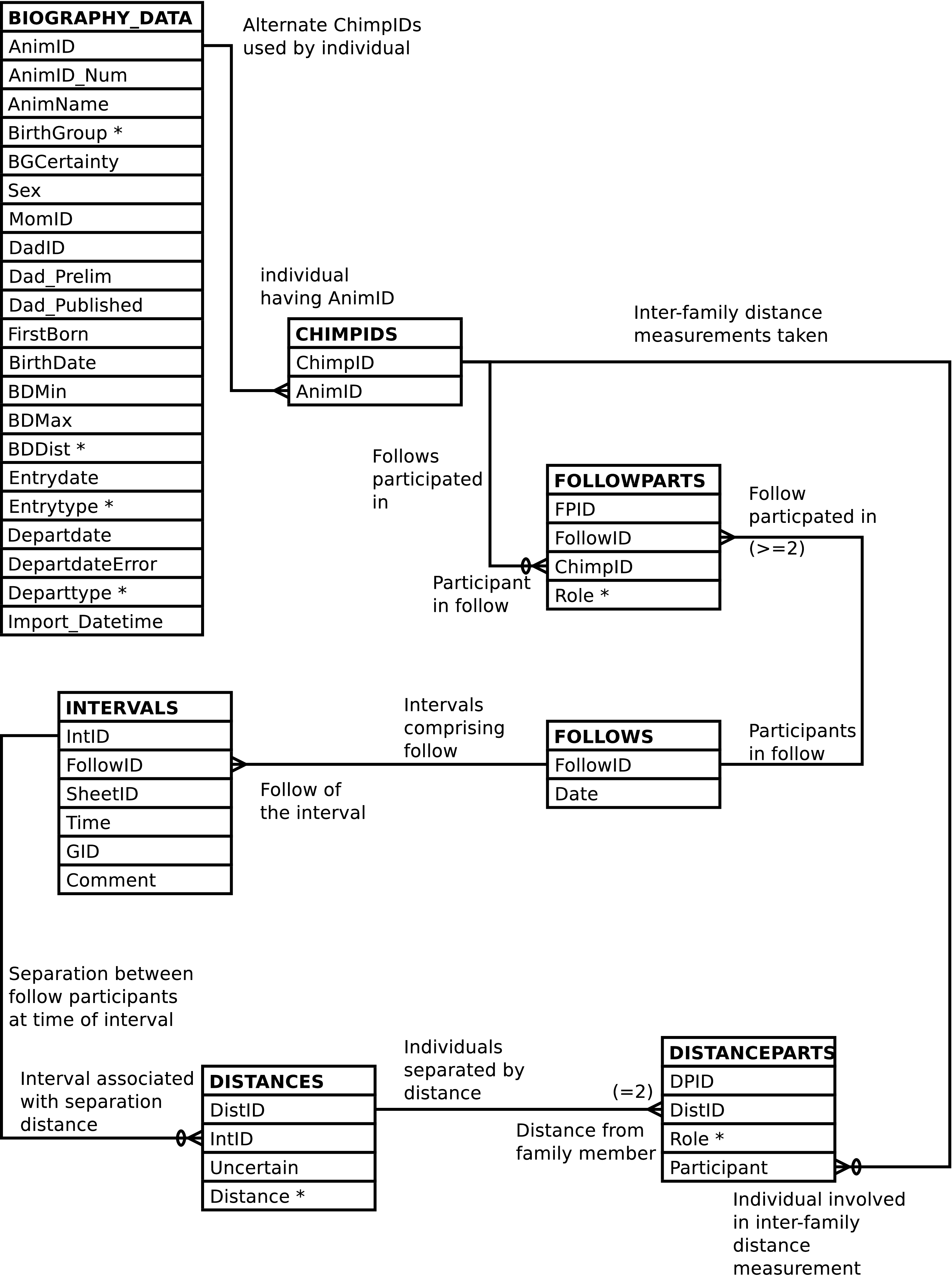
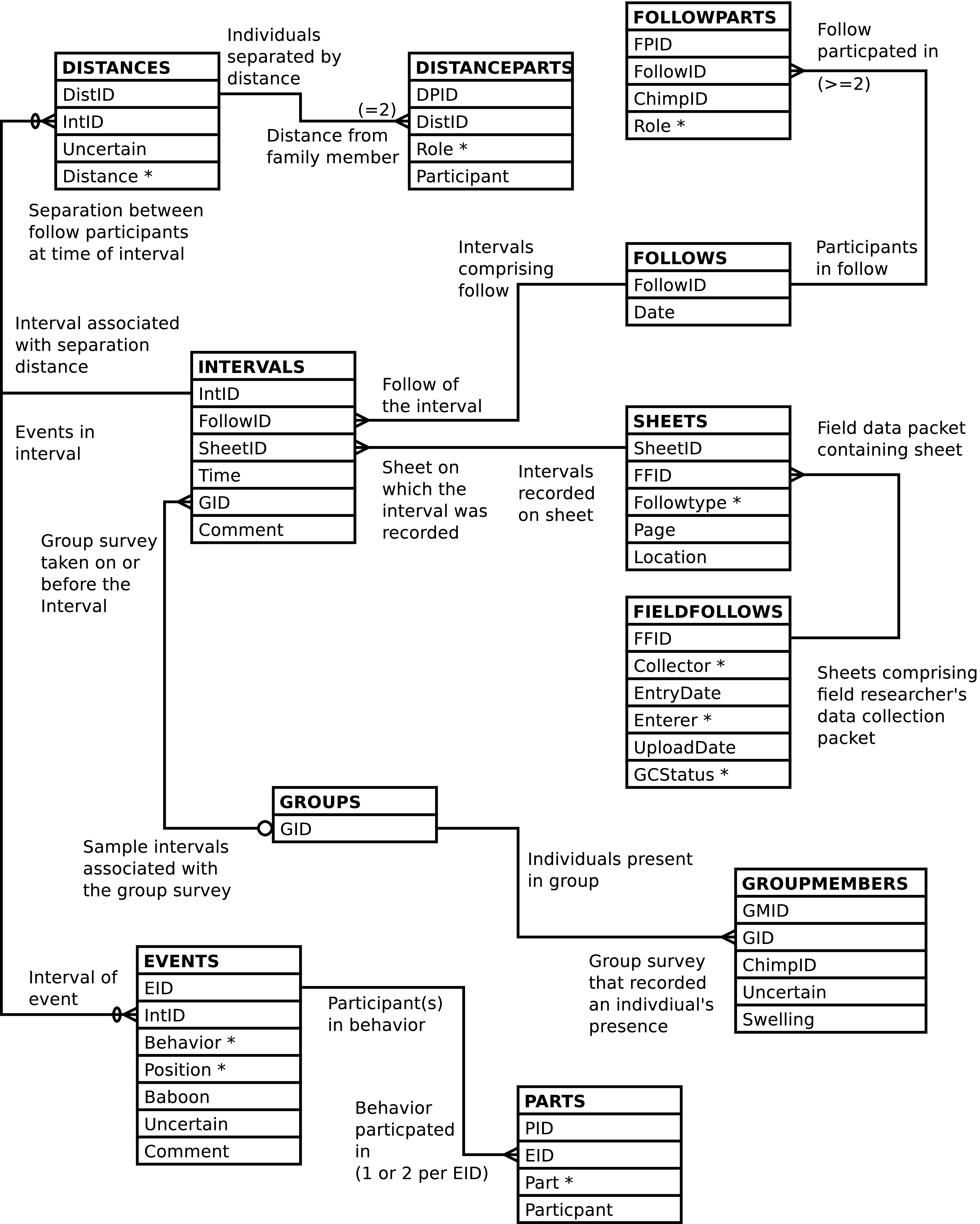
- 4. Gombe-MI Follow Distance Entity Relationship Diagram
- 5. Gombe-MI Follow Events Entity Relationship Diagram
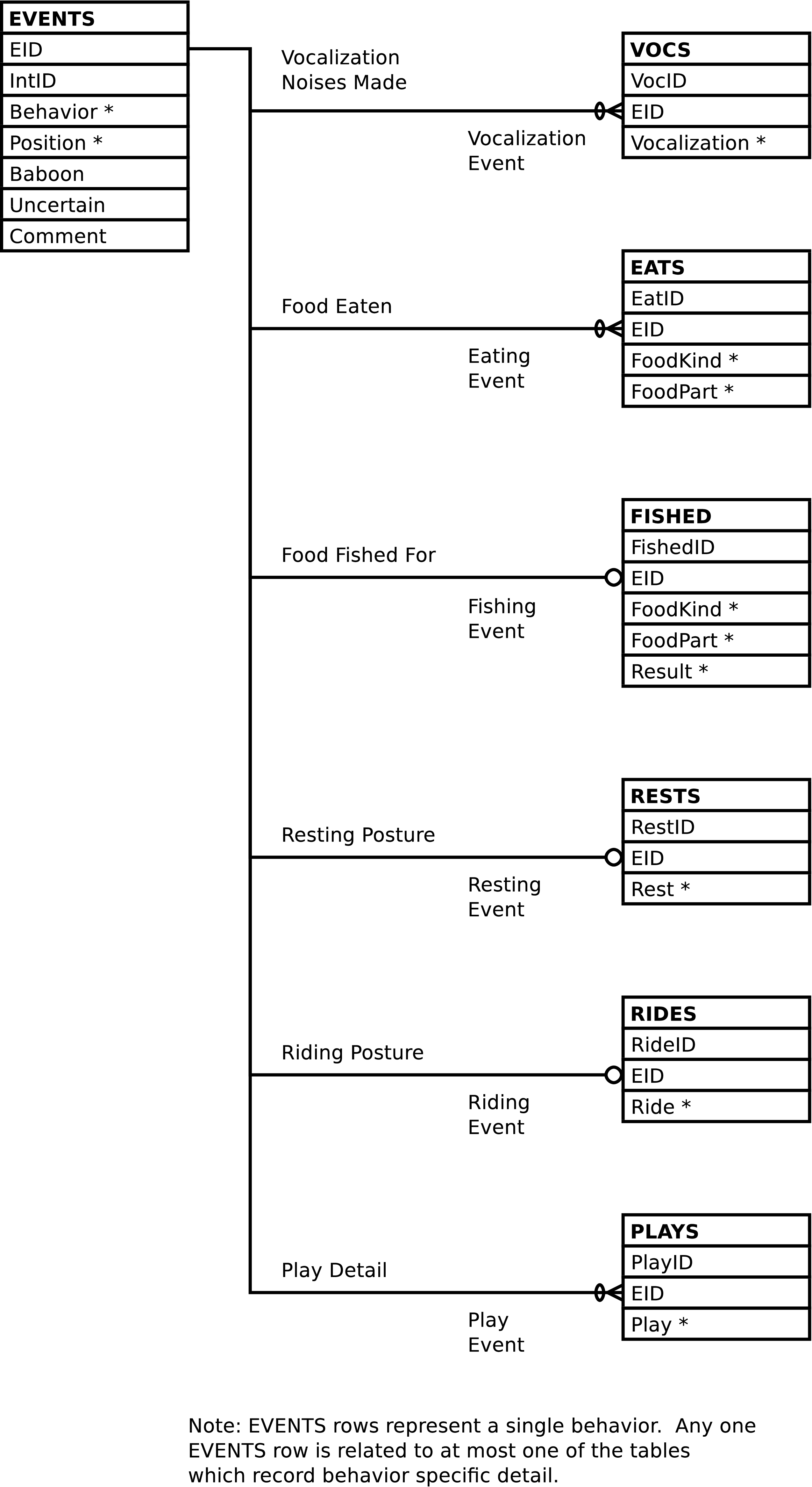
- 6. Gombe-MI Behavior Event Detail Entity Relationship Diagram
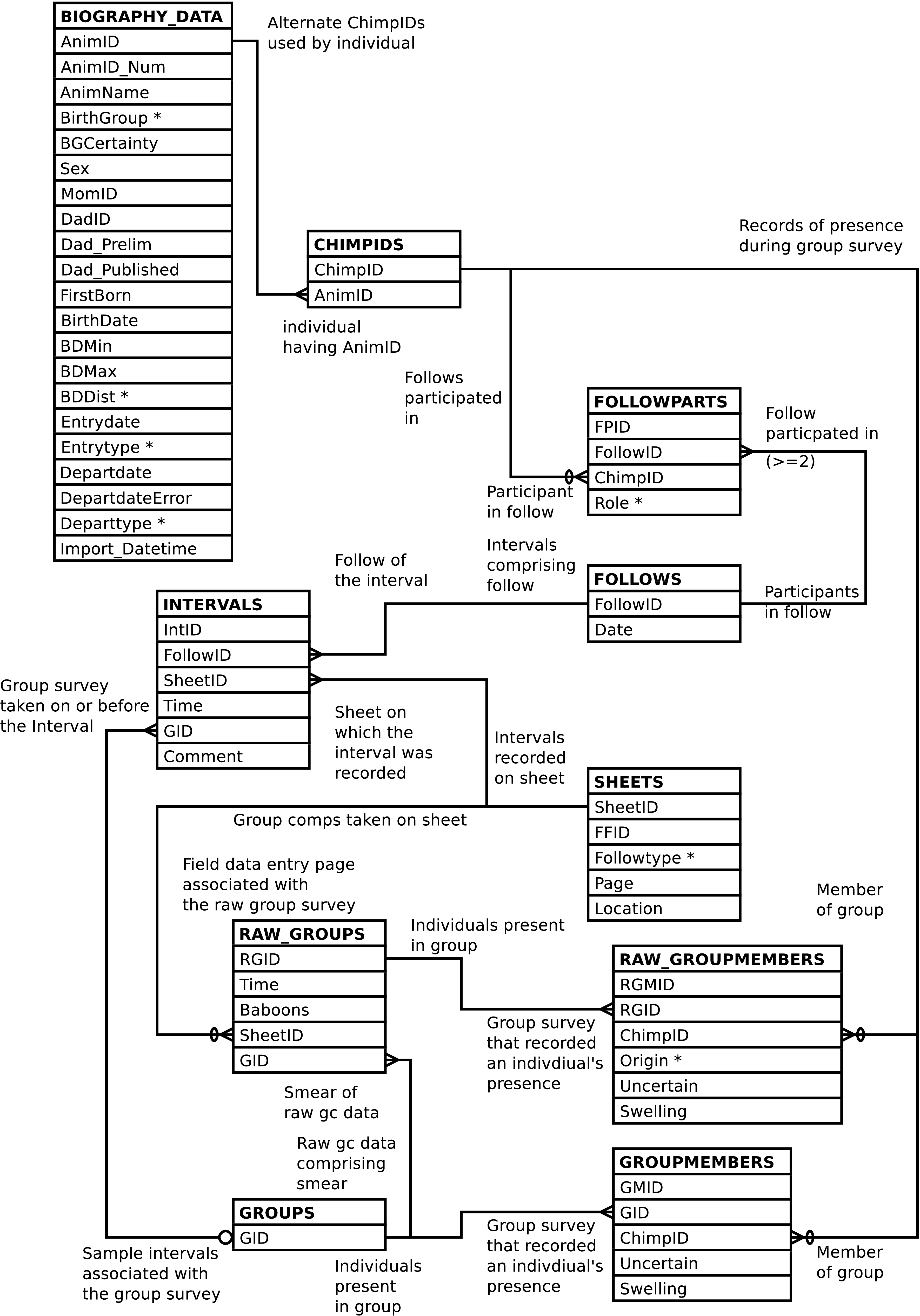
- 7. Gombe-MI Group Membership Entity Relationship Diagram
- 8. Gombe-MI Follow Detailed Entity Relationship Diagram
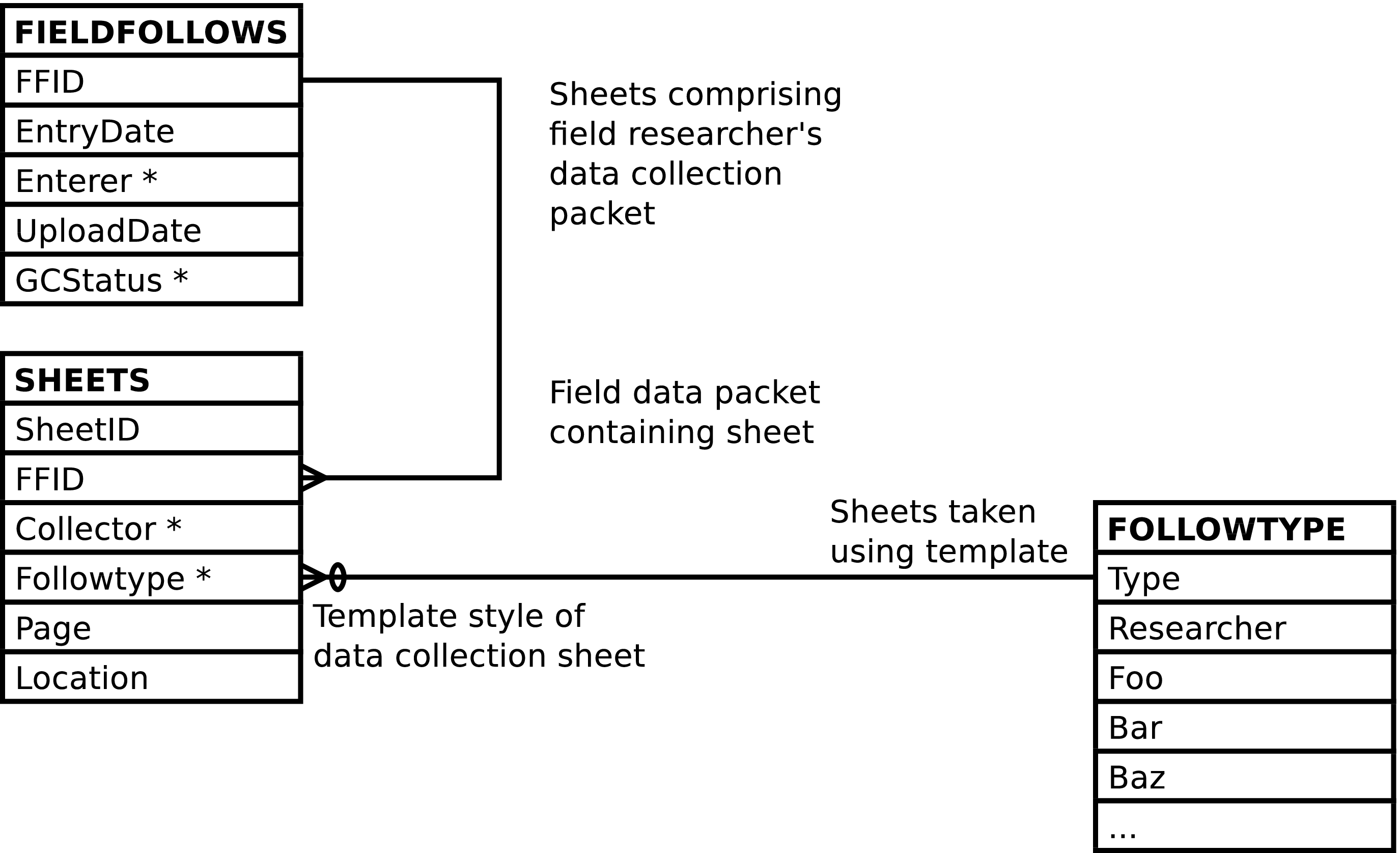
- 9. Gombe-MI Data Collection Templates Entity Relationship Diagram
- 10. Warning Sub-System Entity Relationship Diagram
- 11. Query Defining the BIOGRAPHY View
- 12. Entity Relationship Diagram of the BIOGRAPHY View
- 13. Query Defining the BIOGRAPHY_UPLOAD View
- 14. Entity Relationship Diagram of the BIOGRAPHY_UPLOAD View
- 15. Query Defining the CHIMPS View
- 16. Entity Relationship Diagram of the CHIMPS View
- 17. Query Defining the COMMUNITY_MEMBERSHIP_UPLOAD View
- 18. Entity Relationship Diagram of the COMMUNITY_MEMBERSHIP_UPLOAD View
- 19. Query Defining the DATASHEETS View: Part I
- 20. Query Defining the DATASHEETS View: Part II
- 21. Query Defining the DATASHEETS View: Part III
- 22. Query Defining the DATASHEETS View: Part IV
- 23. Entity Relationship Diagram of the DATASHEETS View
- 24. Query Defining the UPLOAD_BEHAVIORS View: Part I
- 25. Query Defining the UPLOAD_BEHAVIORS View: Part II
- 26. Entity Relationship Diagram of the UPLOAD_BEHAVIORS View
- 27. Query Defining the ACTOR_ACTEES View
- 28. Entity Relationship Diagram of the ACTOR_ACTEES View
- 29. Query Defining the ACTOR_ACTEES_W_BABOONS View: Part I
- 30. Query Defining the ACTOR_ACTEES_W_BABOONS View: Part II
- 31. Entity Relationship Diagram of the ACTOR_ACTEES_W_BABOONS View
- 32. Query Defining the ASOCIAL_EVENTS View
- 33. Entity Relationship Diagram of the ASOCIAL_EVENTS View
- 34. Query Defining the EVENT_BOUTS View: Part I
- 35. Query Defining the EVENT_BOUTS View: Part II
- 36. Query Defining the EVENT_BOUTS View: Part III
- 37. Query Defining the EVENT_BOUTS View: Part IV
- 38. Query Defining the EVENT_BOUTS View: Part V
- 39. Query Defining the EVENT_BOUTS View: Part VI
- 40. Entity Relationship Diagram of the EVENT_BOUTS View
- 41. Query Defining the EVENT_BOUT_AGGS View
- 42. Entity Relationship Diagram of the EVENT_BOUT_AGGS View
- 43. Query Defining the FAMILY_EVENTS View: Part I
- 44. Query Defining the FAMILY_EVENTS View: Part II
- 45. Entity Relationship Diagram of the FAMILY_EVENTS View
- 46. Query Defining the FOCAL_EVENTS View
- 47. Entity Relationship Diagram of the FOCAL_EVENTS View
- 48. Query Defining the FOCAL_SOCIAL_EVENTS View
- 49. Entity Relationship Diagram of the FOCAL_SOCIAL_EVENTS View
- 50. Query Defining the NOOBS View
- 51. Entity Relationship Diagram of the NOOBS View
- 52. Query Defining the SOCIAL_BOUTS View: Part I
- 53. Query Defining the SOCIAL_BOUTS View: Part II
- 54. Query Defining the SOCIAL_BOUTS View: Part III
- 55. Query Defining the SOCIAL_BOUTS View: Part IV
- 56. Query Defining the SOCIAL_BOUTS View: Part V
- 57. Query Defining the SOCIAL_BOUTS View: Part VI
- 58. Query Defining the SOCIAL_BOUTS View: Part VII
- 59. Query Defining the SOCIAL_BOUTS View: Part VIII
- 60. Entity Relationship Diagram of the SOCIAL_BOUTS View
- 61. Query Defining the SOCIAL_BOUT_AGGS View
- 62. Entity Relationship Diagram of the SOCIAL_BOUT_AGGS View
- 63. Query Defining the SOCIAL_EVENTS View
- 64. Entity Relationship Diagram of the SOCIAL_EVENTS View
- 65. Query Defining the SOCIAL_EVENTS_W_BABOONS View: Part I
- 66. Query Defining the SOCIAL_EVENTS_W_BABOONS View: Part II
- 67. Query Defining the SOCIAL_EVENTS_W_BABOONS View: Part III
- 68. Entity Relationship Diagram of the SOCIAL_EVENTS_W_BABOONS View
- 69. Query Defining the DISTS View
- 70. Entity Relationship Diagram of the DISTS View
- 71. Query Defining the FAMILY_DISTS View: Part I
- 72. Query Defining the FAMILY_DISTS View: Part II
- 73. Entity Relationship Diagram of the FAMILY_DISTS View
| Demography Related | |
|---|---|
| Table | One row for each |
| ADOPTIONS | time a chimpanzee is adopted |
| BIOGRAPHY_DATA | chimpanzee |
| CHIMPIDS | chimpanzee id; usually 1 row per chimpanzee but 2 rows per twin |
| COMMUNITY_MEMBERSHIP | tenure of an individual in a community |
| TWINS | individual who is a twin |
| Follow Mechanics Related | |
|---|---|
| Table | One row for each |
| FIELDFOLLOWS | mother infant data packet collected by any one researcher in the field |
| FOLLOWPARTS | mother infant follow for every focal participant |
| FOLLOWS | mother infant follow |
| INTERVALS | observation time interval of every follow |
| Sheets | template sheet used in the field or, when the details of what was on which sheet are not available, one row per follow |
| Follow Event Related | |
|---|---|
| Table | One row for each |
| EATS | part of every kind of food eaten during a eating behavioral event |
| EVENTS | non-social behavior and one row for each social behavior/social partner combination of each focal recorded for each interval |
| FISHED | every kind of food fished for during a fishing behavioral event |
| PARTS | individual, focal or not, involved in every recorded behavior, excluding baboons but including unrecognized or otherwise anonymous individuals |
| PLAYS | play activity occurring during a play event |
| RESTS | resting posture assumed during a resting event |
| RIDES | riding posture assumed during a riding event |
| VOCS | kind of vocalization made during a vocalization behavioral event |
| Follow Distance Related | |
|---|---|
| Table | One row for each |
| DISTANCEPARTS | individual who's distance to another individual was recorded |
| DISTANCES | individual who's distance to another individual was recorded |
| Group Related | |
|---|---|
| Table | One row for each |
| GROUPMEMBERS | group member identified per automated group survey analysis |
| GROUPS | automated group survey analysis |
| RAW_GROUPMEMBERS | group member identified per group survey |
| RAW_GROUPS | group survey |
| Table | One row for each |
|---|---|
| INTEGRITY_QUERIES | query used to discover data integrity problems |
| INTEGRITY_WARNINGS | data integrity problem discovered by the warning sub-system |
| Demography Related | |||
|---|---|---|---|
| Table | Id Column | Related Column(s) | One entry for every possible choice of... |
| BDDISTS | BDDist | BIOGRAPHY_DATA.BDDist | birth date probability distribution |
| DEPARTTYPES | Departtype | BIOGRAPHY_DATA.Departtype | means by which individual's depart from the study population |
| ENTRYTYPES | Entrytype | BIOGRAPHY_DATA.Entrytype | means by which individual's enter into the study population |
| Follow Mechanics Related | |||
|---|---|---|---|
| Table | Id Column | Related Column(s) | One entry for every possible choice of... |
| BEHAVIOR_TRANS | Old_Behavior | None | behavior code written in the field plus one row for every column on the field data entry sheet which represents specific behaviors |
| DISTANCE_TRANS | Old_Distance | None | distance code written in the field plus one row for every column on the field data entry sheet which represents a specific inter-focal distance |
| FOLLOWROLES | Role | FOLLOWPARTS.Role, DISTANCEPARTS.Role | role among follow focals (mother, infant, sibling, twin1, etc.) |
| FOLLOWTYPES | Type | Sheets.Followtype | type of data entry sheet |
| FOODPART_TRANS | Old_Foodpart | None | food part code written in the field |
| GC_TRANS | Mark | None | mark written in the field onto the group composition portion of the data collection sheets, in the cells of the columns which record chimpanzee or baboon presence |
| PEOPLE | Person | FIELDFOLLOWS.Collector, FIELDFOLLOWS.Enterer | person who collects data in the field or who enters data in the labs |
| PLAY_TRANS | Old_Play | None | play code written in the field |
| VOC_TRANS | Old_Voc | None | vocalization code written in the field |
| Follow Event Related | |||
|---|---|---|---|
| Table | Id Column | Related Column(s) | One entry for every possible choice of... |
| BEHAVIORS | Behavior | EVENTS.Behavior, BEHAVIOR_TRANS.New_Behavior | kind of behavior |
| FISHING_RESULTS | Result | FISHED.Result | outcome of a fishing attempt |
| FOODKINDS | Foodkind | EATS.Foodkind, BEHAVIOR_TRANS.Fishkind_Val | kind of food eaten by chimpanzees |
| FOODPARTS | Foodpart | EATS.Foodpart, FOODPART_TRANS.New_Foodpart, BEHAVIOR_TRANS.Fishpart_Val | part (plant part, animal organ, etc) of the different kinds of foods eaten by chimpanzees |
| POSITIONS | Position | EVENTS.Position, BEHAVIOR_TRANS.Position_Val | designated region within the forest canopy |
| PLAY_TYPES | Play | PLAYS.Play, PLAY_TRANS.New_Play, BEHAVIOR_TRANS.Play_Val | play activity |
| RESTING_POSTURES | Rest | RESTS.Rest, BEHAVIOR_TRANS.Rest_Val | posture when resting |
| RIDING_POSTURES | Rides | RIDES.Ride, BEHAVIOR_TRANS.Ride_Val | posture when riding |
| VOCALIZATIONS | Vocalization | VOCS.Vocalization, VOC_TRANS.New_Voc, BEHAVIOR_TRANS.Vocalization_Val | class of chimpanzee vocalization defined in the data collection protocols |
| Follow Distance Related | |||
|---|---|---|---|
| Table | Id Column | Related Column(s) | One entry for every possible choice of... |
| DISTANCECODES | Distance | DISTANCES.Distance, DISTANCE_TRANS.New_Distance | distance category |
| Group Related | |||
|---|---|---|---|
| Table | Id Column | Related Column(s) | One entry for every possible choice of... |
| GCSTATUSES | GCStatus | FIELDFOLLOWS.GCStatus | group composition status |
| GM_ORIGINS | Origin | RAW_GROUPMEMBERS.Origin, GC_TRANS.Origin | source of data for an individual's group membership |
| Table | Id Column | Related Column(s) | One entry for every possible choice of... |
|---|---|---|---|
| IQTYPES | IQType | INTEGRITY_QUERIES.Type | kind of problem with data integrity |
| WARNING_REMARKS | WRID | INTEGRITY_WARNINGS.Category | remark which might apply to more than one instance of questionable database integrity |
| Demography Related | |||
|---|---|---|---|
| View | One row for each | Purpose | Tables/Views used |
| BIOGRAPHY | BIOGRAPHY_DATA row | Provides an interface into the master biography table imported from Access which is invariant, and slightly easier to use. | BIOGRAPHY_DATA, TWINS |
| BIOGRAPHY_UPLOAD | BIOGRAPHY_DATA row | Provides an upload interface into the master biography table enabling easy import from Access. | BIOGRAPHY_DATA |
| CHIMPS | BIOGRAPHY_DATA row plus one row for each twin | Provides an interface into the master biography table with one extra row for each twin, which is a duplicate of the twin's BIOGRAPHY_DATA row but used when the twins are not distinguishable. | BIOGRAPHY_DATA, TWINS, CHIMPIDS |
| COMMUNITY_MEMBERSHIP_UPLOAD | COMMUNITY_MEMBERSHIP row | Provides an upload interface into the master community_membership table enabling easy import from Access. | COMMUNITY_MEMBERSHIP |
| Follow Mechanics Related | |||
|---|---|---|---|
| View | One row for each | Purpose | Tables/Views used |
| DATASHEET_EVENTS | EVENTS row per any related EATS, FISHED, PLAYS, RESTS, RIDES, or VOCS rows. | To resemble the event portion of the data entry sheets and provide a mechanism for updating event related data in the database. | FOLLOWS, INTERVALS, EVENTS, PARTS, EATS, FISHED, PLAYS, RESTS, RIDES, VOCS |
| DATASHEETS | EVENTS row per any related EATS, FISHED, PLAYS, RESTS, RIDES, or VOCS rows plus one row per DISTANCES row | To produce a report resembling the data entry sheets. | FOLLOWS, INTERVALS, EVENTS, PARTS, DISTANCES, DISTANCEPARTS, EATS, FISHED, PLAYS, RESTS, RIDES, VOCS |
| FOCAL_FOLLOWS | FOLLOWS row, per each possible paring of infant and sibling (i.e. one row per follow when there are no twins, two rows per follow when either the infants or siblings are twins, and 4 rows per follow when both the infants and siblings are twins) | To provide a simple mechanism for deleting and creating follows. | FOLLOWS, FOLLOWPARTS (3 times) |
| FOLLOW_DURATIONS | FOLLOWS row | Computes various totals of time spent observing during the follow. | FOLLOWS |
| FOLLOW_INTERVALS | INTERVALS row per INTERVALS row | FOLLOWS, FOLLOWPARTS (3 times), INTERVALS | |
| UPLOAD_BEHAVIORS | FOLLOWS row | This view returns no rows. It is used only to upload follow data into Gombe-MI. | FOLLOWS, FOLLOWPARTS, INTERVALS, EVENTS, PARTS, DISTANCES, DISTANCEPARTS |
| Follow Event Related | |||
|---|---|---|---|
| View | One row for each | Purpose | Tables/Views used |
| ACTOR_ACTEES | EVENTS row where there are 2 chimpanzees involved in an actor/actee behavioral event, events involving baboons are not included. | Provides a straightforward way to analyze directed social behaviors from the perspective of who is initiating and who receiving the behavior. | EVENTS, PARTS (twice, once for each chimpanzee involved in the behavior), FOLLOWROLES (twice, once for each chimpanzee involved in the behavior) |
| ACTOR_ACTEES_W_BABOONS | EVENTS row where there are 2 animals involved in an actor/actee behavioral event, including events involving baboons. | Provides a straightforward way to analyze directed social behaviors from the perspective of who is initiating and who receiving the behavior. | EVENTS, PARTS (twice, once for each animal involved in the behavior), FOLLOWROLES (up to twice, once for each chimpanzee involved in the behavior) |
| ASOCIAL_EVENTS | EVENTS
row having a related PARTS row with a
Part
value of S | Provides a direct way to analyze asocial behavioral events. | EVENTS, PARTS, FOLLOWROLES |
| EVENT_BOUTS | FOLLOWPARTS row per INTERVALS row, per EVENTS.Behavior value having a related PARTS row that shows the given focal involved in the given behavior -- one row per follow, per focal, per interval in which the focal is involved in a behavior (excluding behavioral events which involve a baboon), per code for the behavior involved in. | Provides per-focal, per-minute analysis for contiguous minutes of per behavior-code activity. | FOLLOWPARTS, FOLLOWROLES, INTERVALS, EVENTS, PARTS, CHIMPIDS |
| EVENT_BOUT_AGGS | FOLLOWPARTS row, per EVENTS.Behavior value having a related PARTS row that shows the given focal involved in the given behavior -- one row per follow, per focal in which the focal is involved in a behavior (excluding behavioral events which involve a baboon), per code for the behavior involved in. | Provides per-focal analysis for contiguous minutes of per behavior-code activity. | FOLLOWPARTS, FOLLOWROLES, INTERVALS, EVENTS, PARTS, CHIMPIDS |
| FAMILY_EVENTS | EVENTS row | Provides a way to review recorded behaviors in a way similar to the way data is recorded in the field. | EVENTS, PARTS (four times, once for each of the mother, infant, sibling, and other non-focal individual who may be involved in the behavior) |
| FOCAL_EVENTS | EVENTS row per focal individual involved in the behavioral event | Provides a direct way to analyze behaviors when interested in the function (mom, infant, sib, non-focal) of the chimpanzees involved in the behavior. | EVENTS, PARTS (once or twice, once for the focal and again if there is another individual), FOLLOWROLES (once or twice, once for the focal and again if there is another individual) |
| FOCAL_SOCIAL_EVENTS | EVENTS row per individual involved in the behavioral event when the individual is a focal in the follow where there are 2 chimpanzees involved in the exhibited behavior | Provides a direct way to analyze social behaviors when interested in the function (mom, infant, sib, non-focal) of the chimpanzees involved in the behavior. | EVENTS, PARTS (twice, once for the focal and once for the other individual), FOLLOWROLES (twice, once for the focal and once for the other individual) |
| NOOBS | FOLLOWS row, per FOLLOWPARTS row, per minute from 06:00 through 20:00, inclusive, but only when there is no behavioral data on the focal. | Computes minutes in each follow's day during which each focal has no data on behavior. | FOLLOWPARTS, CHIMPIDS, INTERVALS, EVENTS, PARTS |
| SOCIAL_BOUTS | FOLLOWPARTS row per INTERVALS row, per EVENTS.Behavior value having a related PARTS row that shows the given focal involved in the given behavior with a social partner, per AnimID of the social partner -- one row per follow, per focal, per social partner, per interval in which the focal is involved in a social behavior (excluding behavioral events which involve a baboon), per code for the behavior involved in. | Provides per-focal, per-social-partner, per-minute analysis for contiguous minutes of per behavior-code activity. | FOLLOWPARTS, FOLLOWROLES, INTERVALS, EVENTS, PARTS, CHIMPIDS |
| SOCIAL_BOUT_AGGS | FOLLOWPARTS row per EVENTS.Behavior value having a related PARTS row that shows the given focal involved in the given behavior with a social partner, per AnimID of the social partner -- one row per follow, per focal, per social partner (excluding behavioral events which involve a baboon), per code for the behavior involved in. | Provides per-focal, per social partner analysis for contiguous minutes of per behavior-code activity. | FOLLOWPARTS, FOLLOWROLES, INTERVALS, EVENTS, PARTS, CHIMPIDS |
| SOCIAL_EVENTS | EVENTS row, per chimpanzee, where there are 2 chimpanzees (no baboons) involved in the exhibited behavior. So, 2 rows per EVENTS row for those events, involving chimpanzees, that are social in nature. | Provides a direct way to analyze chimp social behaviors regardless of whether a chimpanzee is a focal in the follow. | EVENTS, PARTS (twice, once for each chimpanzee involved in the behavior), FOLLOWROLES (twice, once for each chimpanzee involved in the behavior) |
| SOCIAL_EVENTS_W_BABOONS | EVENTS row, per chimpanzee, where there are 2 animals involved in the exhibited behavior, baboons included. So, 2 rows per EVENTS row for those events, involving animals, that are social in nature. | Provides a direct way to analyze social behaviors regardless of whether a chimpanzee is a focal in the follow. | EVENTS, PARTS (twice, once for each chimpanzee involved in the behavior), FOLLOWROLES (twice, once for each chimpanzee involved in the behavior) |
| Follow Distance Related | |||
|---|---|---|---|
| View | One row for each | Purpose | Tables/Views used |
| DISTS | DISTANCES row per related DISTANCEPARTS row. So, 2 rows per DISTANCES row. | Provides a direct way to analyze chimp inter-familial distances using either ChimpID or role the chimp plays in the follow. | DISTANCES, DISTANCEPARTS (twice, once for each chimpanzee involved). |
| FAMILY_DISTS | DISTANCES row | Provides a direct way to analyze chimp inter-familial distances based on the role (mom, infant, sibling) the chimp plays in the follow, and a way to maintain the underlying data. | DISTANCES, DISTANCEPARTS (three times, once for each possible role played in the follow). |

For information on the operations (INSERT, UPDATE, DELETE) allowed by each view and their actions on the underlying tables see The Gombe-MI Views of The Gombe-MI Reference Manual.
Figure 11. Query Defining the BIOGRAPHY View
SELECT biography_data.animid AS animid

     , biography_data.animid_num AS animid_num

     , biography_data.animname AS animname

     , biography_data.birthgroup AS birthgroup

     , biography_data.bgcertainty AS bgcertainty

     , biography_data.sex AS sex

     , biography_data.momid AS momid

     , biography_data.dadid AS dadid

     , biography_data.dad_prelim AS dad_prelim

     , biography_data.dad_published AS dad_published

     , biography_data.firstborn AS firstborn

     , biography_data.birthdate AS birthdate

     , biography_data.bdmin AS bdmin

     , biography_data.bdmax AS bdmax

     , biography_data.bddist AS bddist

     , biography_data.entrydate AS entrydate

     , biography_data.entrytype AS entrytype

     , biography_data.departdate AS departdate

     , biography_data.departdateerror AS departdateerror

     , biography_data.departtype AS departtype

     , biography_data.import_datetime AS import_datetime

     , twins.twin AS twin

  FROM biography_data

       LEFT OUTER JOIN twins ON (twins.animid = biography_data.animid)
;
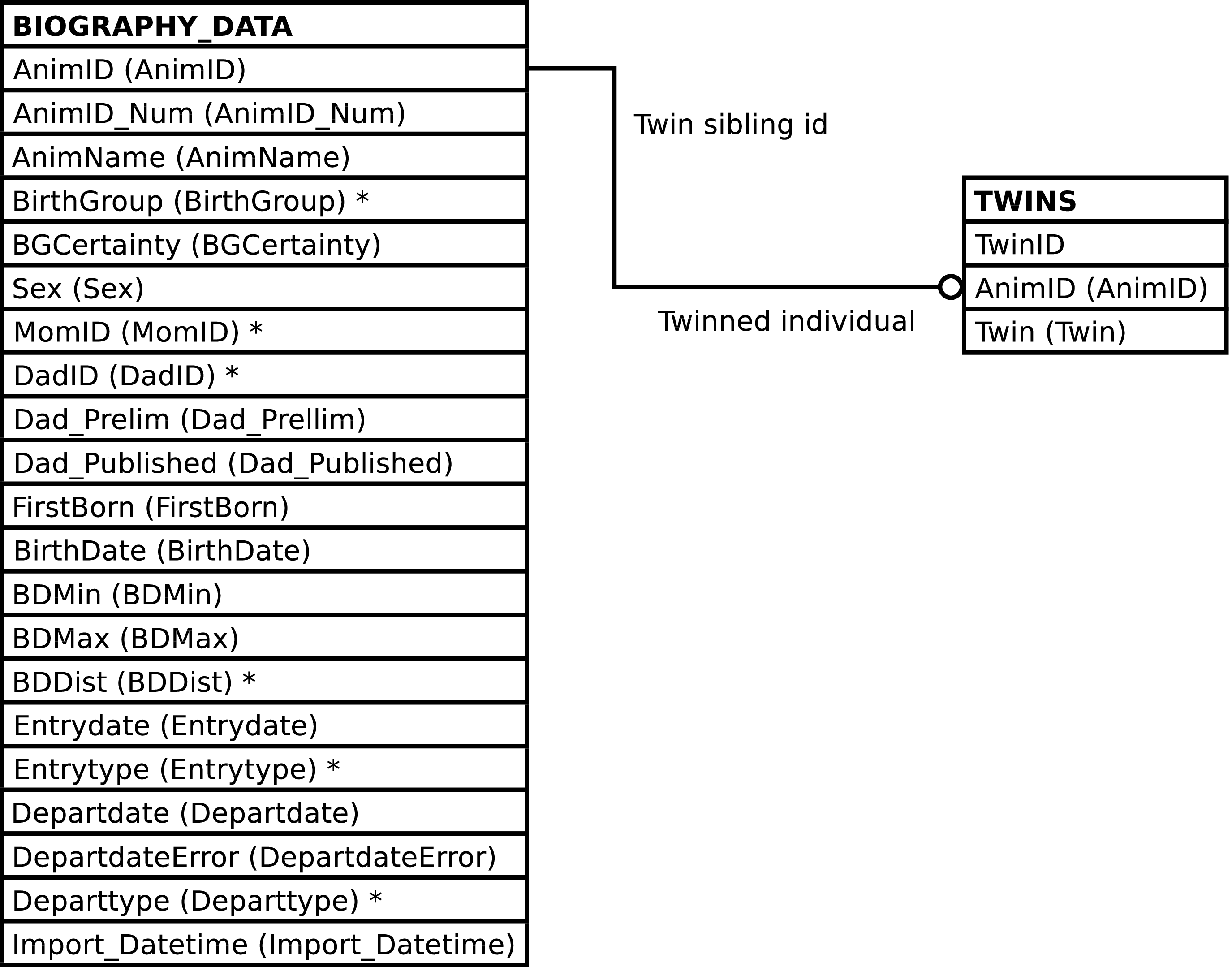
Figure 13. Query Defining the BIOGRAPHY_UPLOAD View
SELECT biography_data.animid::TEXT AS "B_AnimID"

     , biography_data.animid_num::TEXT AS "B_AnimID_num"

     , biography_data.animname::TEXT AS "B_AnimName"

     , biography_data.birthgroup::TEXT AS "B_BirthGroup"

     , biography_data.bgcertainty::TEXT AS "B_BGCertainty"

     , biography_data.sex::TEXT AS "B_Sex"

     , biography_data.momid::TEXT AS "B_MomID"

     , CASE

         WHEN biography_data.dad_prelim THEN

           (biography_data.dadid || 'gmi_dadid_prelim')::TEXT

         ELSE

           biography_data.dadid::TEXT

       END AS "B_DadID"

     , biography_data.dad_published AS "B_DadID_publication_info"

     , biography_data.firstborn::TEXT AS "B_FirstBorn"

     , biography_data.birthdate AS "B_Birthdate"

     , biography_data.bdmin AS "B_BDMin"

     , biography_data.bdmax AS "B_BDMax"

     , biography_data.bddist::TEXT AS "B_BDDist"

     , biography_data.entrydate AS "B_Entrydate"

     , biography_data.entrytype::TEXT AS "B_Entrytype"

     , biography_data.departdate AS "B_Departdate"

     , biography_data.departdateerror AS "B_DepartdateError"

     , biography_data.departtype::TEXT AS "B_Departtype"

  FROM biography_data
;
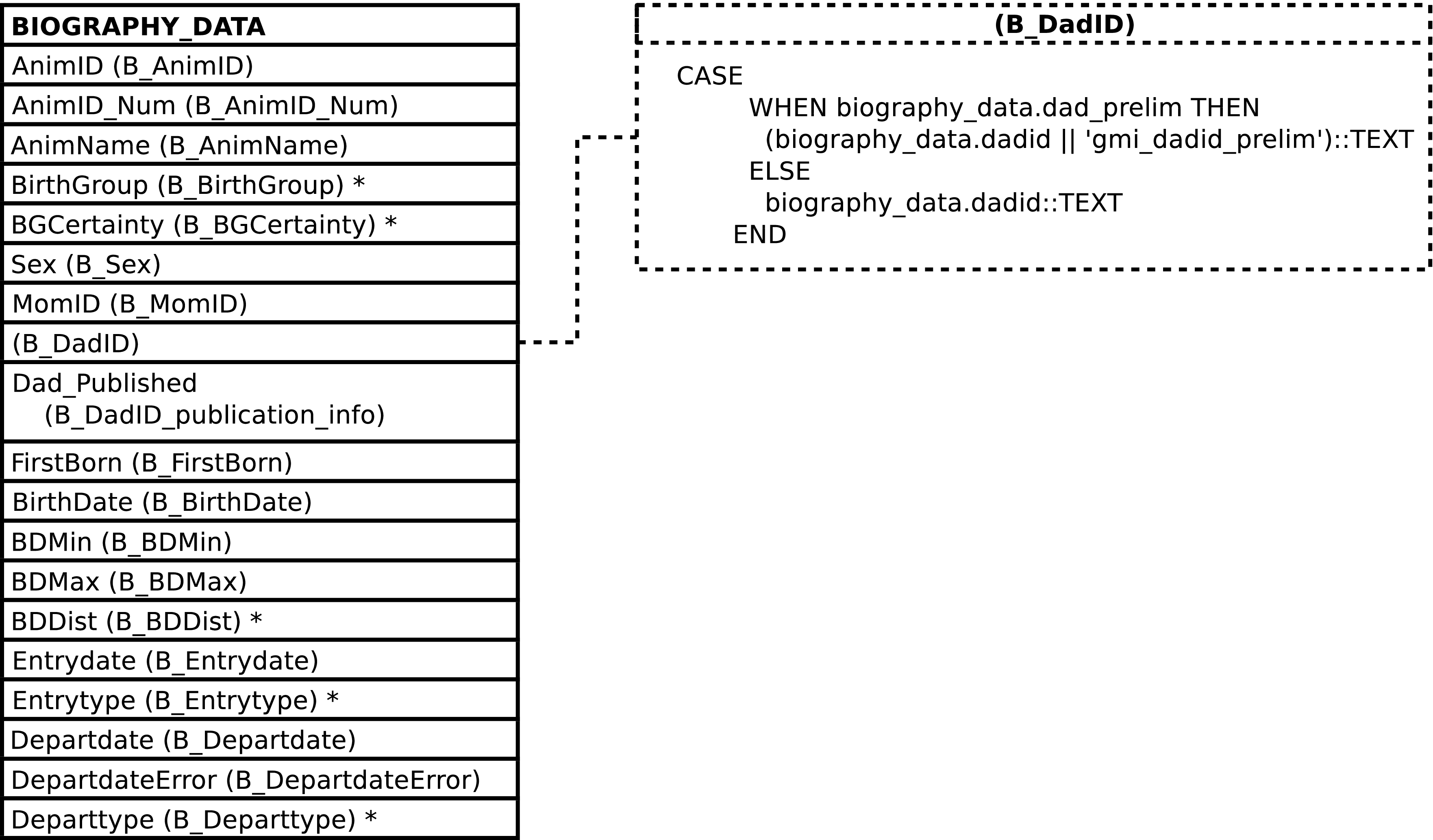
Figure 15. Query Defining the CHIMPS View
SELECT chimpids.chimpid AS chimpid

     , biography_data.animid AS animid

     , biography_data.animid_num AS animid_num

     , biography_data.animname AS animname

     , biography_data.birthgroup AS birthgroup

     , biography_data.bgcertainty AS bgcertainty

     , biography_data.sex AS sex

     , biography_data.momid AS momid

     , biography_data.dadid AS dadid

     , biography_data.dad_prelim AS dad_prelim

     , biography_data.dad_published AS dad_published

     , biography_data.firstborn AS firstborn

     , biography_data.birthdate AS birthdate

     , biography_data.bdmin AS bdmin

     , biography_data.bdmax AS bdmax

     , biography_data.bddist AS bddist

     , biography_data.entrydate AS entrydate

     , biography_data.entrytype AS entrytype

     , biography_data.departdate AS departdate

     , biography_data.departdateerror AS departdateerror

     , biography_data.departtype AS departtype

     , biography_data.import_datetime AS import_datetime

     , twins.twin AS twin

  FROM biography_data

       JOIN chimpids ON (chimpids.animid = biography_data.animid)

       LEFT OUTER JOIN twins ON (twins.animid = biography_data.animid)
;
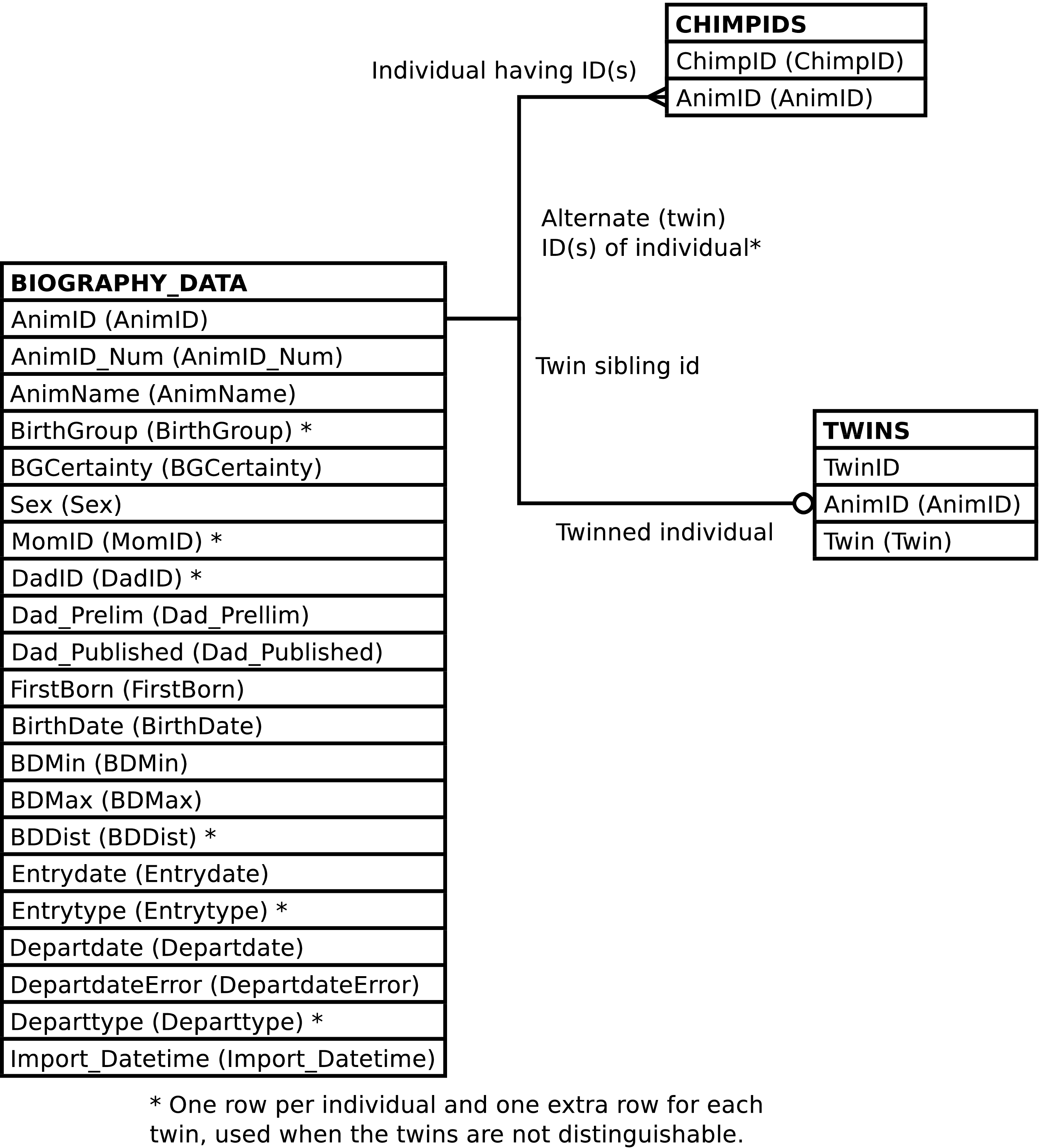
Figure 17. Query Defining the COMMUNITY_MEMBERSHIP_UPLOAD View
SELECT community_membership.animid::TEXT AS cm_b_animid

     , community_membership.start_date AS cm_start_date

     , community_membership.end_date AS cm_end_date

     , community_membership.community_id::TEXT AS cm_cl_community_id

     , community_membership.start_source AS cm_start_source

     , community_membership.end_source AS cm_end_source

  FROM community_membership
;
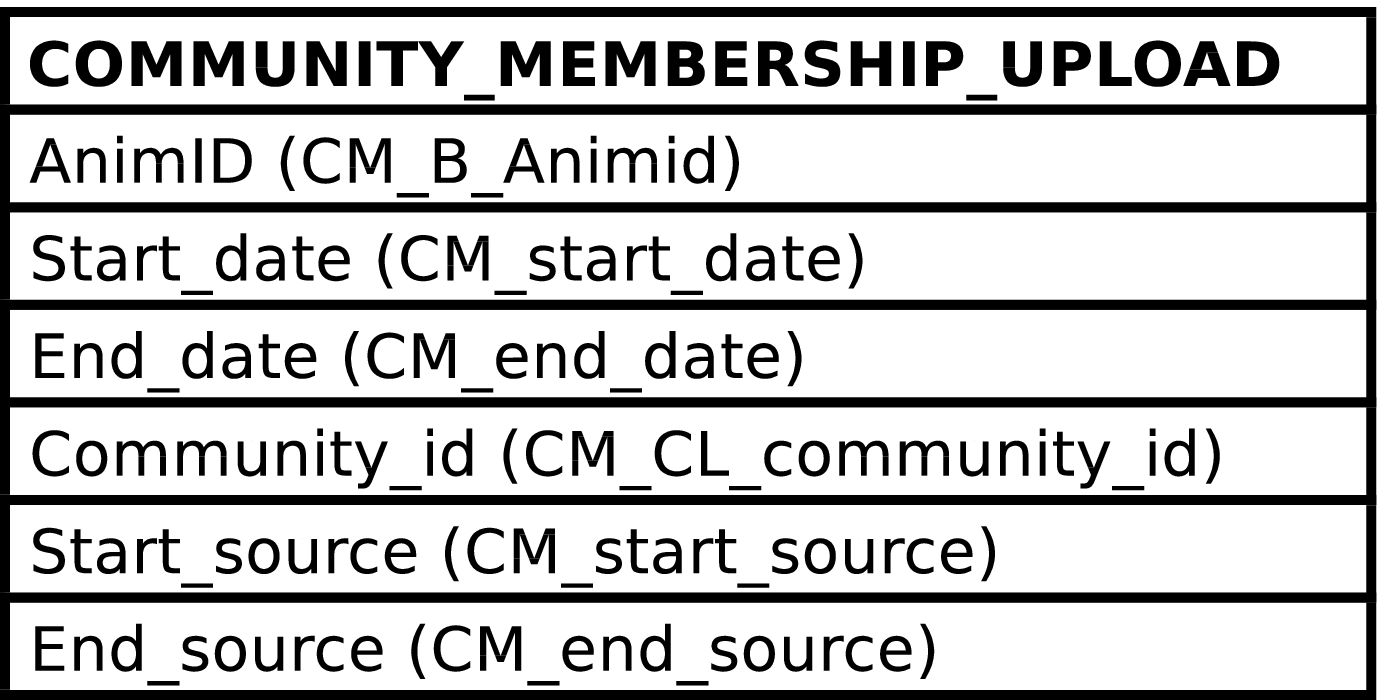
Figure 19. Query Defining the DATASHEETS View: Part I
SELECT *

  FROM

    (SELECT datasheet_events.followid AS followid

          , datasheet_events.intid AS intid

          , datasheet_events.date AS date

          , datasheet_events.time AS time

          , datasheet_events.mom AS mom

          , datasheet_events.infant AS infant

          , datasheet_events.infant2 AS infant2

          , datasheet_events.sib AS sib

          , datasheet_events.sib2 AS sib2

          , datasheet_events.eid AS eid

          , datasheet_events.behavior AS e_behavior

          , datasheet_events.position AS e_position

          , datasheet_events.uncertain AS e_uncertain

          , datasheet_events.e_mom AS e_mom

          , datasheet_events.e_mompart AS e_mompart

          , datasheet_events.e_mom_foodpart AS e_mom_foodpart

          , datasheet_events.e_mom_foodkind AS e_mom_foodkind

          , datasheet_events.e_mom_fishpart AS e_mom_fishpart

          , datasheet_events.e_mom_fishkind AS e_mom_fishkind

          , datasheet_events.e_mom_fishresult AS e_mom_fishresult

          , datasheet_events.e_mom_voc AS e_mom_voc

          , datasheet_events.e_mom_play AS e_mom_play

          , datasheet_events.e_mom_rest AS e_mom_rest

          , datasheet_events.e_infant AS e_infant

          , datasheet_events.e_infantpart AS e_infantpart

          , datasheet_events.e_infant_foodpart AS e_infant_foodpart

          , datasheet_events.e_infant_foodkind AS e_infant_foodkind

          , datasheet_events.e_infant_fishpart AS e_infant_fishpart

          , datasheet_events.e_infant_fishkind AS e_infant_fishkind

          , datasheet_events.e_infant_fishresult AS e_infant_fishresult

          , datasheet_events.e_infant_voc AS e_infant_voc

          , datasheet_events.e_infant_play AS e_infant_play

          , datasheet_events.e_infant_ride AS e_infant_ride

          , datasheet_events.e_infant_rest AS e_infant_rest

          , datasheet_events.e_sib as e_sib

          , datasheet_events.e_sibpart AS e_sibpart

          , datasheet_events.e_sib_foodpart AS e_sib_foodpart

          , datasheet_events.e_sib_foodkind AS e_sib_foodkind

          , datasheet_events.e_sib_fishpart AS e_sib_fishpart

          , datasheet_events.e_sib_fishkind AS e_sib_fishkind

          , datasheet_events.e_sib_fishresult AS e_sib_fishresult

          , datasheet_events.e_sib_voc AS e_sib_voc

          , datasheet_events.e_sib_play AS e_sib_play

          , datasheet_events.e_sib_ride AS e_sib_ride

          , datasheet_events.e_sib_rest AS e_sib_rest

          , datasheet_events.e_nonfocal AS e_nonfocal

          , datasheet_events.e_nonfocalpart as e_nonfocalpart

          , datasheet_events.e_baboon AS e_baboon

          , datasheet_events.e_baboonpart AS e_baboonpart
Figure 20. Query Defining the DATASHEETS View: Part II
          , NULL AS d_distid

          , NULL AS d_uncertain

          , NULL AS d_mom

          , NULL AS d_infant

          , NULL AS d_sib

          , NULL AS d_distance

          , datasheet_events.i_comment AS i_comment

          , datasheet_events.e_comment AS e_comment

        FROM datasheet_events
Figure 21. Query Defining the DATASHEETS View: Part III
     UNION

     SELECT family_dists.followid AS followid

          , family_dists.intid AS intid

          , family_dists.date AS date

          , family_dists.time AS time

          , family_dists.mom AS mom

          , family_dists.infant AS infant

          , family_dists.infant2 AS infant2

          , family_dists.sib AS sib

          , family_dists.sib2 AS sib2

          , NULL AS eid

          , NULL AS e_behavior

          , NULL AS e_position

          , NULL AS e_uncertain

          , NULL AS e_mom

          , NULL AS e_mompart

          , NULL AS e_mom_foodpart

          , NULL AS e_mom_foodkind

          , NULL AS e_mom_fishpart

          , NULL AS e_mom_fishkind

          , NULL AS e_mom_fishresult

          , NULL AS e_mom_voc

          , NULL AS e_mom_play

          , NULL AS e_mom_rest

          , NULL AS e_infant

          , NULL AS e_infantpart

          , NULL AS e_infant_foodpart

          , NULL AS e_infant_foodkind

          , NULL AS e_infant_fishpart

          , NULL AS e_infant_fishkind

          , NULL AS e_infant_fishresult

          , NULL AS e_infant_voc

          , NULL AS e_infant_play

          , NULL AS e_infant_ride

          , NULL AS e_infant_rest

          , NULL AS e_sib

          , NULL AS e_sibpart

          , NULL AS e_sib_foodpart

          , NULL AS e_sib_foodkind

          , NULL AS e_sib_fishpart

          , NULL AS e_sib_fishkind

          , NULL AS e_sib_fishresult

          , NULL AS e_sib_voc

          , NULL AS e_sib_play

          , NULL AS e_sib_ride

          , NULL AS e_sib_rest

          , NULL AS e_nonfocal

          , NULL AS e_nonfocalpart

          , NULL AS e_baboon

          , NULL AS e_baboonpart
Figure 22. Query Defining the DATASHEETS View: Part IV
          , family_dists.distid AS d_distid

          , family_dists.uncertain AS d_uncertain

          , family_dists.d_mom AS d_mom

          , family_dists.d_infant AS d_infant

          , family_dists.d_sib AS d_sib

          , family_dists.distance AS d_distance

          , family_dists.i_comment AS i_comment

          , NULL AS e_comment

       FROM family_dists

    ) AS q

  ORDER BY q.date

         , q.time

         , q.e_behavior

         , q.e_mom IS NULL

         , q.e_infant IS NULL

         , q.e_nonfocal

         , q.d_mom IS NULL

         , q.d_infant IS NULL
;
Figure 23. Entity Relationship Diagram of the DATASHEETS View
Figure 24. Query Defining the UPLOAD_BEHAVIORS View: Part I
SELECT NULL::TEXT AS followtype

     , NULL::DATE AS entrydate

     , NULL::TEXT as entered_by

     , NULL::TEXT AS researcher

     , NULL::DATE AS date

     , NULL::INT AS page

     , NULL::TEXT AS location

     , NULL::TEXT AS mother

     , NULL::TEXT AS infant

     , NULL::TEXT AS sibling

     , NULL::TEXT AS time_on_sheet

     , NULL::TIME AS time_converted_mil

     , NULL::TEXT AS time_type

     , NULL::TEXT AS bad_observation

     , NULL::TEXT AS rain

     , NULL::TEXT AS ma_behavior

     , NULL::TEXT AS ma_foodpart

     , NULL::TEXT AS ma_foodkind

     , NULL::TEXT AS ma_fishpart

     , NULL::TEXT AS ma_fishkind

     , NULL::BOOLEAN AS ma_gp_combined

     , NULL::TEXT AS ma_groomingplay

     , NULL::TEXT AS ma_grooming

     , NULL::TEXT AS ma_play

     , NULL::TEXT AS ma_groomed_by

     , NULL::TEXT AS ma_voc
Figure 25. Query Defining the UPLOAD_BEHAVIORS View: Part II
     , NULL::TEXT AS inf_behavior

     , NULL::TEXT AS inf_foodpart

     , NULL::TEXT AS inf_foodkind

     , NULL::TEXT AS inf_fishpart

     , NULL::TEXT AS inf_fishkind

     , NULL::TEXT AS inf_distance_to_ma

     , NULL::TEXT AS inf_nurse

     , NULL::TEXT AS inf_travel

     , NULL::TEXT AS inf_eat

     , NULL::TEXT AS inf_solitary_play

     , NULL::TEXT AS inf_rest

     , NULL::TEXT AS inf_distance_1

     , NULL::TEXT AS inf_distance_2

     , NULL::TEXT AS inf_distance_3

     , NULL::TEXT AS inf_distance_4

     , NULL::TEXT AS inf_distance_5

     , NULL::TEXT AS inf_distance_over_5m

     , NULL::TEXT AS inf_ride_on_belly

     , NULL::TEXT AS inf_ride_on_back

     , NULL::TEXT AS inf_ride_on_unk

     , NULL::TEXT AS inf_dangle

     , NULL::TEXT AS inf_rejection

     , NULL::TEXT AS inf_touching_another

     , NULL::TEXT AS inf_grooming

     , NULL::TEXT AS inf_being_groomed

     , NULL::TEXT AS inf_social_play

     , NULL::TEXT AS inf_display

     , NULL::TEXT AS inf_cry

     , NULL::TEXT AS inf_voc

     , NULL::TEXT AS inf_beg

     , NULL::TEXT AS inf_assr

     , NULL::TEXT AS inf_sex_related

     , NULL::TEXT AS inf_tooluse

     , NULL::TEXT AS inf_directaggression

     , NULL::TEXT AS sib_bad_observation

     , NULL::TEXT AS sib_behavior

     , NULL::TEXT AS sib_foodpart

     , NULL::TEXT AS sib_foodkind

     , NULL::TEXT AS sib_fishpart

     , NULL::TEXT AS sib_fishkind

     , NULL::TEXT AS sib_play

     , NULL::TEXT AS sib_grooming

     , NULL::TEXT AS sib_groomed_by

     , NULL::TEXT AS sib_ride

     , NULL::TEXT AS sib_distance_to_ma

     , NULL::TEXT AS sib_distance_to_infant

     , NULL::TEXT AS sib_voc

     , NULL::TEXT AS comments

  WHERE _raise_gombemi_exception(

          'Cannot select UPLOAD_BEHAVIORS'

          || ': The only use of the UPLOAD_BEHAVIORS view is to insert'

          || ' new data into the 1-minute interval related portion of'

          || ' Gombe-MI')
;
Figure 26. Entity Relationship Diagram of the UPLOAD_BEHAVIORS View
Figure 27. Query Defining the ACTOR_ACTEES View
SELECT events.eid AS eid

     , events.intid AS intid

     , actors.pid AS actorpid

     , actees.pid AS acteepid

     , events.behavior AS behavior

     , events.position AS position

     , events.uncertain AS uncertain

     , followrole(intervals.followid, actors.participant) AS actorrole

     , actors.participant AS actor

     , followrole(intervals.followid, actees.participant) AS acteerole

     , actees.participant AS actee

     , events.comment AS comment

  FROM events

         JOIN intervals

           ON (intervals.intid = events.intid)

         JOIN parts AS actors

           ON (actors.eid = events.eid)

         JOIN parts AS actees

           ON (actees.eid = events.eid)

  WHERE actors.part = 'gmi_actor'

        AND actees.part = 'gmi_actee'
;
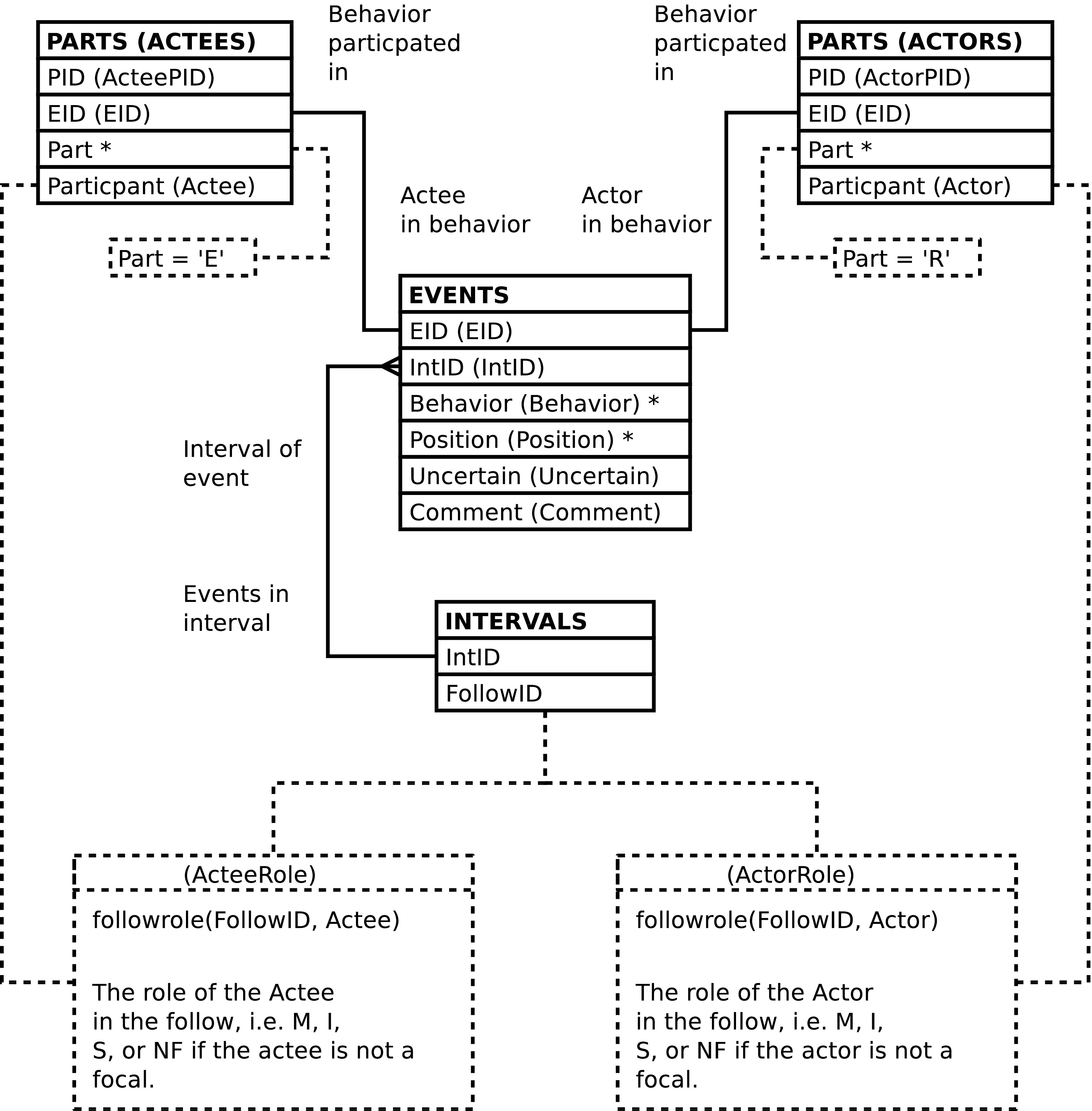
Figure 29. Query Defining the ACTOR_ACTEES_W_BABOONS View: Part I
SELECT events.eid AS eid

     , events.intid AS intid

     , actors.pid AS actorpid

     , actees.pid AS acteepid

     , events.behavior AS behavior

     , events.position AS position

     , events.uncertain AS uncertain

     , followrole(intervals.followid, actors.participant) AS actorrole

     , FALSE AS baboonactor

     , actors.participant AS actor

     , followrole(intervals.followid, actees.participant) AS acteerole

     , FALSE AS baboonactee

     , actees.participant AS actee

     , events.comment AS comment

  FROM events

         JOIN intervals

           ON (intervals.intid = events.intid)

         JOIN parts AS actors

           ON (actors.eid = events.eid)

         JOIN parts AS actees

           ON (actees.eid = events.eid)

  WHERE actors.part = 'gmi_actor'

        AND actees.part = 'gmi_actee'

UNION

SELECT events.eid AS eid

     , events.intid AS intid

     , actors.pid AS actorpid

     , NULL AS acteepid

     , events.behavior AS behavior

     , events.position AS position

     , events.uncertain AS uncertain

     , followrole(intervals.followid, actors.participant) AS actorrole

     , FALSE AS baboonactor

     , actors.participant AS actor

     , 'NF' AS acteerole

     , TRUE AS baboonactee

     , NULL::VARCHAR(gmi_animid_len) AS actee

     , events.comment AS comment

  FROM events

         JOIN intervals

           ON (intervals.intid = events.intid)

         JOIN parts AS actors

           ON (actors.eid = events.eid)

  WHERE actors.part = 'gmi_actor'

        AND events.baboon
Figure 30. Query Defining the ACTOR_ACTEES_W_BABOONS View: Part II
UNION

SELECT events.eid AS eid

     , events.intid AS intid

     , NULL AS actorpid

     , actees.pid AS acteepid

     , events.behavior AS behavior

     , events.position AS position

     , events.uncertain AS uncertain

     , 'NF' AS actorrole

     , TRUE AS baboonactor

     , NULL::VARCHAR(gmi_animid_len) AS actor

     , followrole(intervals.followid, actees.participant) AS acteerole

     , FALSE AS baboonactee

     , actees.participant AS actee

     , events.comment AS comment

  FROM events

         JOIN intervals

           ON (intervals.intid = events.intid)

         JOIN parts AS actees

           ON (actees.eid = events.eid)

  WHERE actees.part = 'gmi_actee'

        AND events.baboon
;
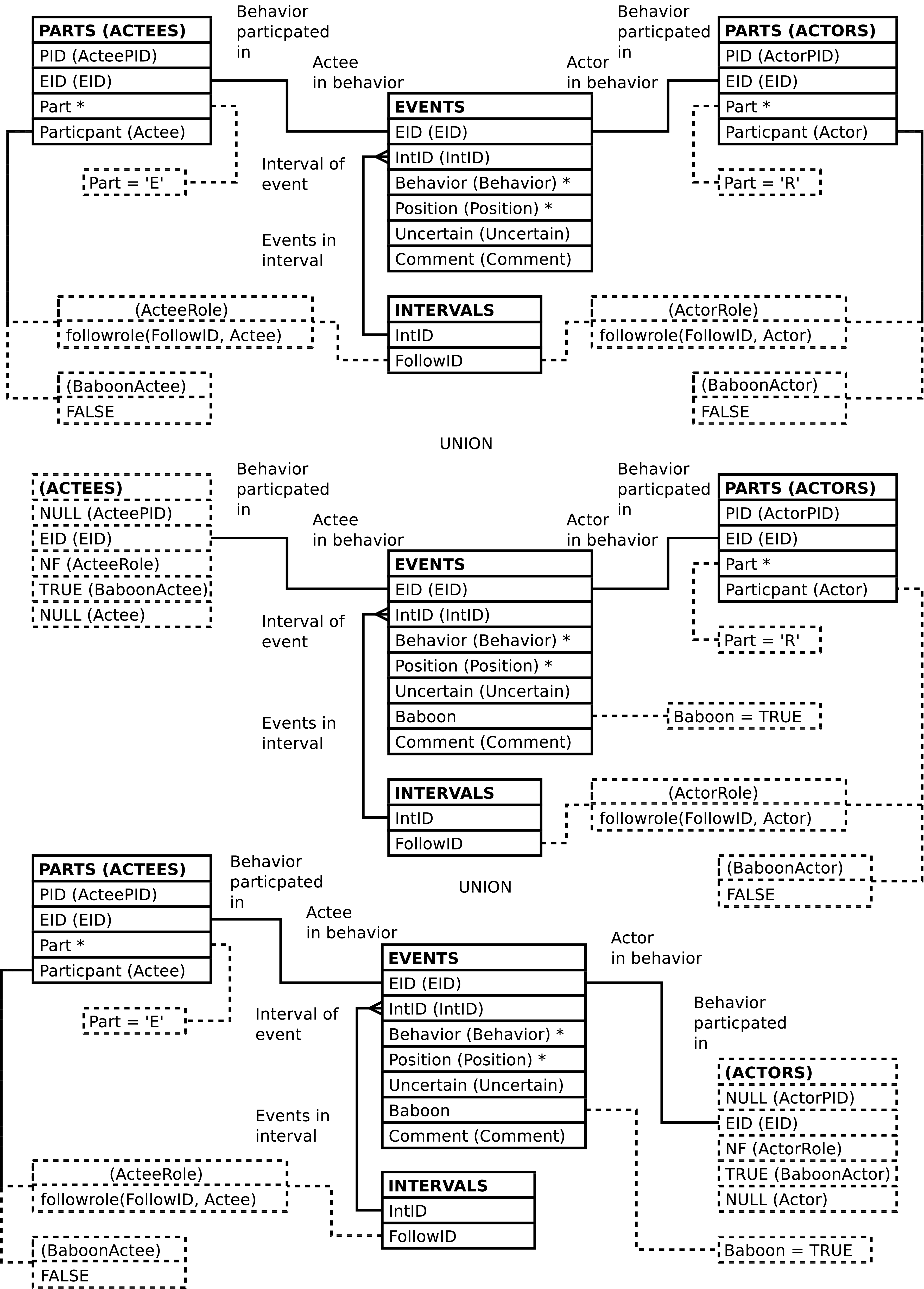
Figure 32. Query Defining the ASOCIAL_EVENTS View
SELECT events.eid AS eid

     , events.intid AS intid

     , parts.pid AS pid

     , events.behavior AS behavior

     , events.position AS position

     , events.uncertain AS uncertain

     , followparts.role AS role

     , parts.participant AS participant

     , events.comment AS comment

  FROM events

         JOIN intervals

           ON (intervals.intid = events.intid)

         JOIN parts

           ON (parts.eid = events.eid)

         JOIN followparts

           ON (followparts.followid = intervals.followid)

         JOIN chimpids AS p_ids

           ON (p_ids.chimpid = parts.participant)

         JOIN chimpids AS fp_ids

           ON (fp_ids.chimpid = followparts.chimpid)

  WHERE parts.part = 'gmi_self'

        AND fp_ids.animid = p_ids.animid
;
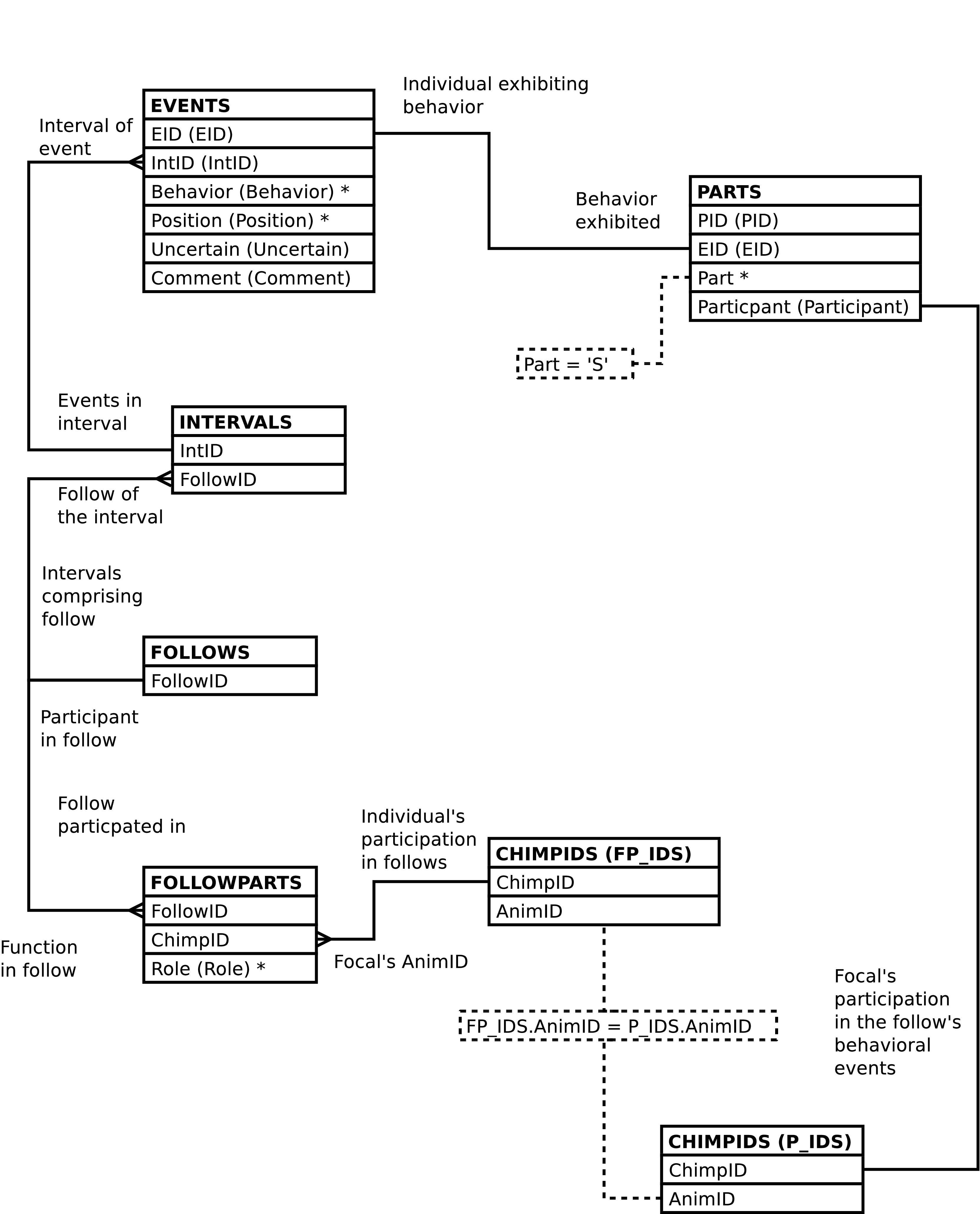
Figure 34. Query Defining the EVENT_BOUTS View: Part I
-- Note that we don't worry about leap seconds given

-- the time values in the db.


WITH detail AS

     -- Compute mins_in and mins_out

     (SELECT bouts.followid AS followid

           , bouts.intid AS intid

           , bouts.function AS function

           , bouts.animid AS animid

           , bouts.role AS role

           , bouts.chimpid AS chimpid

           , bouts.bout AS bout

           , bouts.behavior AS behavior

           , bouts.uncertain AS uncertain

           , bouts.time AS time

           , (EXTRACT(EPOCH FROM bouts.time)

                - EXTRACT(EPOCH FROM FIRST_VALUE(bouts.time) OVER bout_w)

             ) / 60

             + 1

             AS mins_in

           , (EXTRACT(EPOCH FROM LAST_VALUE(bouts.time)

                                   OVER (bout_w RANGE BETWEEN CURRENT ROW

                                                AND UNBOUNDED FOLLOWING))

                - EXTRACT(EPOCH FROM bouts.time)

             ) / 60

             AS mins_out

        FROM

          -- Compute bout number by summing transition ticks

          (SELECT ticks.followid AS followid

                   , ticks.intid AS intid

                   , ticks.function AS function

                   , ticks.animid AS animid

                   , ticks.role AS role

                   , ticks.chimpid AS chimpid

                   , ticks.behavior AS behavior

                   , ticks.uncertain AS uncertain

                   , ticks.time AS time

                   , SUM(ticks.bouttick)

                       OVER (PARTITION BY ticks.followid

                                        , ticks.behavior

                                        , ticks.animid

                             ORDER BY ticks.time

                                    , ticks.bouttick DESC)

                     AS bout
Figure 35. Query Defining the EVENT_BOUTS View: Part II
             FROM

               -- Distinguish one bout from another

               (SELECT intervals.followid AS followid

                     , intervals.intid AS intid

                     , followroles.function AS function

                     , part_cids.animid AS animid

                     , followparts.role AS role

                     , followparts.chimpid AS chimpid

                     , events.behavior AS behavior

                     , BOOL_AND(events.uncertain) AS uncertain

                     , intervals.time AS time

                     , CASE

                         WHEN LAG(MIN(intervals.time)) OVER tick_w

                                = MIN(intervals.time) - '1 minute'::INTERVAL

                           THEN 0

                         ELSE

                           1

                       END

                       AS bouttick

                  FROM intervals

                         JOIN events

                              ON (events.intid = intervals.intid)

                         JOIN parts

                              ON (parts.eid = events.eid)

                         JOIN chimpids AS part_cids

                              ON (part_cids.chimpid = parts.participant)

                         JOIN chimpids AS fp_cids

                              ON (fp_cids.animid = part_cids.animid)

                         JOIN followparts

                              ON (followparts.followid = intervals.followid

                                  AND followparts.chimpid = fp_cids.chimpid)

                         JOIN followroles

                              ON (followroles.role = followparts.role)

                  WHERE NOT(events.baboon)

                  GROUP BY intervals.followid

                     , intervals.intid

                     , part_cids.animid

                     , events.behavior

                     -- The values that are unique per above anyway

                     , followroles.function

                     , followparts.role

                     , followparts.chimpid

                     , intervals.time

                  WINDOW tick_w AS (PARTITION BY intervals.followid

                                               , events.behavior

                                               , part_cids.animid

                                    ORDER BY intervals.time)

               ) AS ticks

          ) AS bouts

        WINDOW bout_w AS (PARTITION BY bouts.followid

                                     , bouts.behavior

                                     , bouts.animid

                                     , bouts.bout

                          ORDER BY bouts.time)

      )
Figure 36. Query Defining the EVENT_BOUTS View: Part III
  -- Distribute aggregated bout info over the bout's minutes

  SELECT detail.*

       , summary.prior_gap AS prior_gap

       , summary.gap_noobs AS gap_noobs

       , summary.left_censored AS left_censored

       , summary.right_censored AS right_censored

       , summary.day_start AS day_start

       , summary.day_end AS day_end

    FROM

      detail

        JOIN

        (-- Aggregate per-bout information

         SELECT bout_ends.followid AS followid

              , bout_ends.animid AS animid

              , bout_ends.behavior AS behavior

              , bout_ends.bout AS bout

              , CASE

                  WHEN bout_ends.bout = 1 THEN

                    NULL

                  ELSE

                    SUM(bout_ends.prior_gap)

                END

                AS prior_gap

              , CASE

                  WHEN bout_ends.bout = 1 THEN

                    NULL

                  ELSE

                    SUM(bout_ends.prior_gap)

                      -- Subtract number of minutes the focal had

                      -- any behaviors during the gap.

                      - (SELECT COUNT(DISTINCT intervals.intid)

                           FROM intervals

                                  JOIN events

                                       ON (events.intid = intervals.intid)

                                  JOIN parts

                                       ON (parts.eid = events.eid)

                                  JOIN chimpids

                                       ON (chimpids.chimpid

                                           = parts.participant)

                           WHERE intervals.followid = bout_ends.followid

                                 AND MIN(bout_ends.time) > intervals.time

                                 AND intervals.time

                                     >= MIN(bout_ends.time)

                                          - (SUM(bout_ends.prior_gap)

                                             || ' minutes')::INTERVAL

                                 AND chimpids.animid = bout_ends.animid)

                END

                AS gap_noobs

              , BOOL_OR(bout_ends.left_censored) AS left_censored

              , BOOL_OR(bout_ends.right_censored) AS right_censored
Figure 37. Query Defining the EVENT_BOUTS View: Part IV
              , CASE

                  WHEN bout_ends.bout = 1 THEN

                    NOT EXISTS

                          -- Behavioral data on the focal before the bout

                          (SELECT 1

                             FROM intervals

                                    JOIN events

                                         ON (events.intid = intervals.intid)

                                    JOIN parts

                                         ON (parts.eid = events.eid)

                                    JOIN chimpids

                                         ON (chimpids.chimpid

                                             = parts.participant)

                             WHERE intervals.followid = bout_ends.followid

                                   AND intervals.time < MIN(bout_ends.time)

                                   AND chimpids.animid = bout_ends.animid

                             LIMIT 1)

                  ELSE

                    FALSE

                END

                AS day_start

              , CASE

                  WHEN bout_ends.bout = LAST_VALUE(bout_ends.bout)

                                          OVER (PARTITION BY

                                                  bout_ends.followid

                                                , bout_ends.animid

                                                , bout_ends.behavior

                                                ORDER BY bout_ends.bout

                                                RANGE BETWEEN CURRENT ROW

                                                      AND UNBOUNDED FOLLOWING)

                    THEN

                    NOT EXISTS

                          -- Behavioral data on the focal after the bout

                          (SELECT 1

                             FROM intervals

                                    JOIN events

                                         ON (events.intid = intervals.intid)

                                    JOIN parts

                                         ON (parts.eid = events.eid)

                                    JOIN chimpids

                                         ON (chimpids.chimpid

                                             = parts.participant)

                             WHERE intervals.followid = bout_ends.followid

                                   AND intervals.time

                                       > MAX(bout_ends.time)

                                   AND chimpids.animid = bout_ends.animid

                             LIMIT 1)

                  ELSE

                    FALSE

                END

                AS day_end
Figure 38. Query Defining the EVENT_BOUTS View: Part V
           FROM

             -- Examine the bout's endpoints to compute prior_gap, and

             -- left and right censoring.

             (SELECT detail.followid

                   , detail.animid

                   , detail.behavior

                   , detail.bout

                   , detail.mins_in AS mins_in

                   , detail.mins_out AS mins_out

                   , CASE

                       WHEN detail.mins_in = 1 THEN

                         (EXTRACT(EPOCH FROM detail.time)

                            - EXTRACT(EPOCH FROM

                                      LAG(detail.time)

                                        OVER (PARTITION BY

                                                detail.followid

                                              , detail.animid

                                              , detail.behavior

                                              ORDER BY detail.time))

                         ) / 60 - 1

                       ELSE

                         0

                     END

                     AS prior_gap

                   , CASE

                       WHEN detail.mins_in = 1 THEN

                         NOT EXISTS

                           (SELECT 1

                              FROM intervals AS i

                                     JOIN events AS e

                                          ON (e.intid = i.intid)

                                     JOIN parts AS p

                                          ON (p.eid = e.eid)

                                     JOIN chimpids AS p_cids

                                          ON (p_cids.chimpid = p.participant)

                              WHERE i.followid = detail.followid

                                    AND i.time = detail.time

                                                 - '1 minute'::INTERVAL

                                    AND p_cids.animid = detail.animid

                                    LIMIT 1)

                       ELSE

                         FALSE

                       END

                     AS left_censored
Figure 39. Query Defining the EVENT_BOUTS View: Part VI
                   , CASE

                       WHEN detail.mins_out = 0 THEN

                         NOT EXISTS

                           (SELECT 1

                              FROM intervals AS i

                                     JOIN events AS e

                                          ON (e.intid = i.intid)

                                     JOIN parts AS p

                                          ON (p.eid = e.eid)

                                     JOIN chimpids AS p_cids

                                          ON (p_cids.chimpid = p.participant)

                              WHERE i.followid = detail.followid

                                    AND i.time = detail.time

                                                 + '1 minute'::INTERVAL

                                    AND p_cids.animid = detail.animid

                                    LIMIT 1)

                       ELSE

                         FALSE

                       END

                     AS right_censored

                   , detail.time AS time

                FROM detail

                WHERE detail.mins_in = 1

                      OR detail.mins_out = 0

             ) AS bout_ends

           GROUP BY bout_ends.followid

                  , bout_ends.animid

                  , bout_ends.behavior

                  , bout_ends.bout)

          AS summary

          ON (summary.followid = detail.followid

              AND summary.animid = detail.animid

              AND summary.behavior = detail.behavior

              AND summary.bout = detail.bout)
;
Figure 41. Query Defining the EVENT_BOUT_AGGS View
SELECT event_bouts.followid AS followid

     , event_bouts.function AS function

     , event_bouts.animid AS animid

     , event_bouts.role AS role

     , event_bouts.chimpid AS chimpid

     , event_bouts.bout AS bout

     , event_bouts.behavior AS behavior

     , BOOL_OR(event_bouts.uncertain) AS uncertain

     , MIN(event_bouts.time) AS start_time

     , MAX(event_bouts.time) AS stop_time

     , event_bouts.prior_gap AS prior_gap

     , event_bouts.gap_noobs AS gap_noobs

     , event_bouts.left_censored AS left_censored

     , event_bouts.right_censored AS right_censored

     , event_bouts.day_start AS day_start

     , event_bouts.day_end AS day_end

  FROM event_bouts

  GROUP BY event_bouts.followid

         , event_bouts.animid

         , event_bouts.bout

         , event_bouts.behavior

         -- The values that are unique per above anyway

         , event_bouts.function

         , event_bouts.role

         , event_bouts.chimpid

         , event_bouts.prior_gap

         , event_bouts.gap_noobs

         , event_bouts.left_censored

         , event_bouts.right_censored

         , event_bouts.day_start

         , event_bouts.day_end
;
Figure 43. Query Defining the FAMILY_EVENTS View: Part I
SELECT focal_follows.followid AS followid

     , intervals.intid AS intid

     , events.eid AS eid

     , moms.pid AS e_mompid

     , infants.pid AS e_infantpid

     , sibs.pid AS e_sibpid

     , nfs.pid AS e_nonfocalpid

     , focal_follows.date AS date

     , intervals.time AS time

     , focal_follows.mom AS mom

     , focal_follows.infant AS infant

     , focal_follows.infant2 AS infant2

     , focal_follows.sib AS sib

     , focal_follows.sib2 AS sib2

     , events.behavior AS behavior

     , events.position AS position

     , events.uncertain AS uncertain

     , moms.participant AS e_mom

     , moms.part AS e_mompart

     , infants.participant AS e_infant

     , infants.part AS e_infantpart

     , sibs.participant AS e_sib

     , sibs.part AS e_sibpart

     , nfs.participant AS e_nonfocal

     , nfs.part AS e_nonfocalpart

     , events.baboon AS e_baboon

     , CASE

         WHEN events.baboon THEN

           CASE

             WHEN moms.part = 'gmi_actor'

                  OR infants.part = 'gmi_actor'

                  OR sibs.part = 'gmi_actor' THEN

               'gmi_actee'

             WHEN moms.part = 'gmi_actee'

                  OR infants.part = 'gmi_actee'

                  OR sibs.part = 'gmi_actee' THEN

               'gmi_actor'

             ELSE

               'gmi_participant'

           END

         ELSE

           NULL

       END::parts_part AS e_baboonpart

     , events.comment AS e_comment

     , intervals.comment AS i_comment
Figure 44. Query Defining the FAMILY_EVENTS View: Part II
  FROM focal_follows

         JOIN intervals

           ON (intervals.followid = focal_follows.followid)

         JOIN events

           ON (events.intid = intervals.intid)

         LEFT OUTER JOIN parts AS moms

                      ON (moms.eid = events.eid

                          AND followfunc(intervals.followid

                                       , moms.participant)

                              = 'gmi_mom')

         LEFT OUTER JOIN parts AS infants

                      ON (infants.eid = events.eid

                          AND followfunc(intervals.followid

                                       , infants.participant)

                              = 'gmi_infant')

         LEFT OUTER JOIN parts AS sibs

                      ON (sibs.eid = events.eid

                          AND followfunc(intervals.followid

                                       , sibs.participant)

                              = 'gmi_sib')

         LEFT OUTER JOIN parts AS nfs

                      ON (nfs.eid = events.eid

                          AND followfunc(intervals.followid

                                       , nfs.participant)

                              = 'gmi_nonfocal')
;
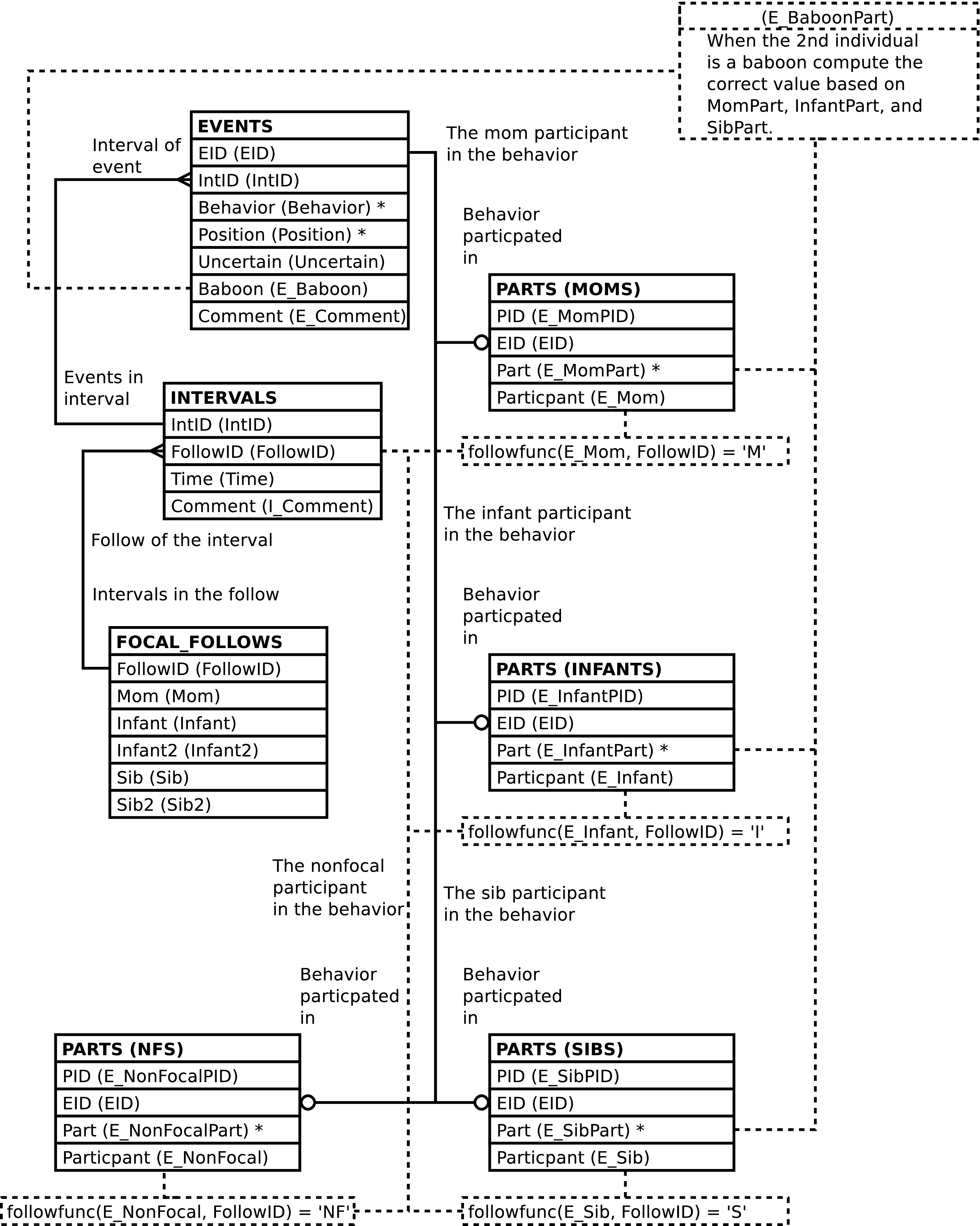
Figure 46. Query Defining the FOCAL_EVENTS View
SELECT events.eid AS eid

     , events.intid AS intid

     , focals.pid AS focalpid

     , otherpart.pid AS otherpid

     , events.behavior AS behavior

     , events.position AS position

     , events.uncertain AS uncertain

     , followparts.role AS focalrole

     , focals.participant AS focal

     , focals.part AS focalpart

     , CASE

         WHEN events.baboon THEN

           'gmi_nonfocal'

         ELSE

           followrole(intervals.followid, otherpart.participant)

       END AS otherrole

     , otherpart.participant AS other

     , CASE

         WHEN events.baboon THEN

           CASE

             WHEN focals.part = 'gmi_actor' THEN

               'gmi_actee'

             WHEN focals.part = 'gmi_actee' THEN

               'gmi_actor'

             ELSE

               'gmi_participant'

           END::parts_part

         ELSE

           otherpart.part

       END AS otherpart

     , events.baboon AS baboon

     , events.comment AS comment

  FROM events

         JOIN intervals

           ON (intervals.intid = events.intid)

         JOIN followparts

           ON (followparts.followid = intervals.followid)

         JOIN chimpids AS fp_ids

           ON (fp_ids.chimpid = followparts.chimpid)

         JOIN parts AS focals

           ON (focals.eid = events.eid)

         JOIN chimpids AS focal_ids

           ON (focal_ids.chimpid = focals.participant)

         LEFT OUTER JOIN parts AS otherpart

                      ON (otherpart.eid = events.eid

                          AND focals.pid IS DISTINCT FROM otherpart.pid)

  WHERE focal_ids.animid = fp_ids.animid
;
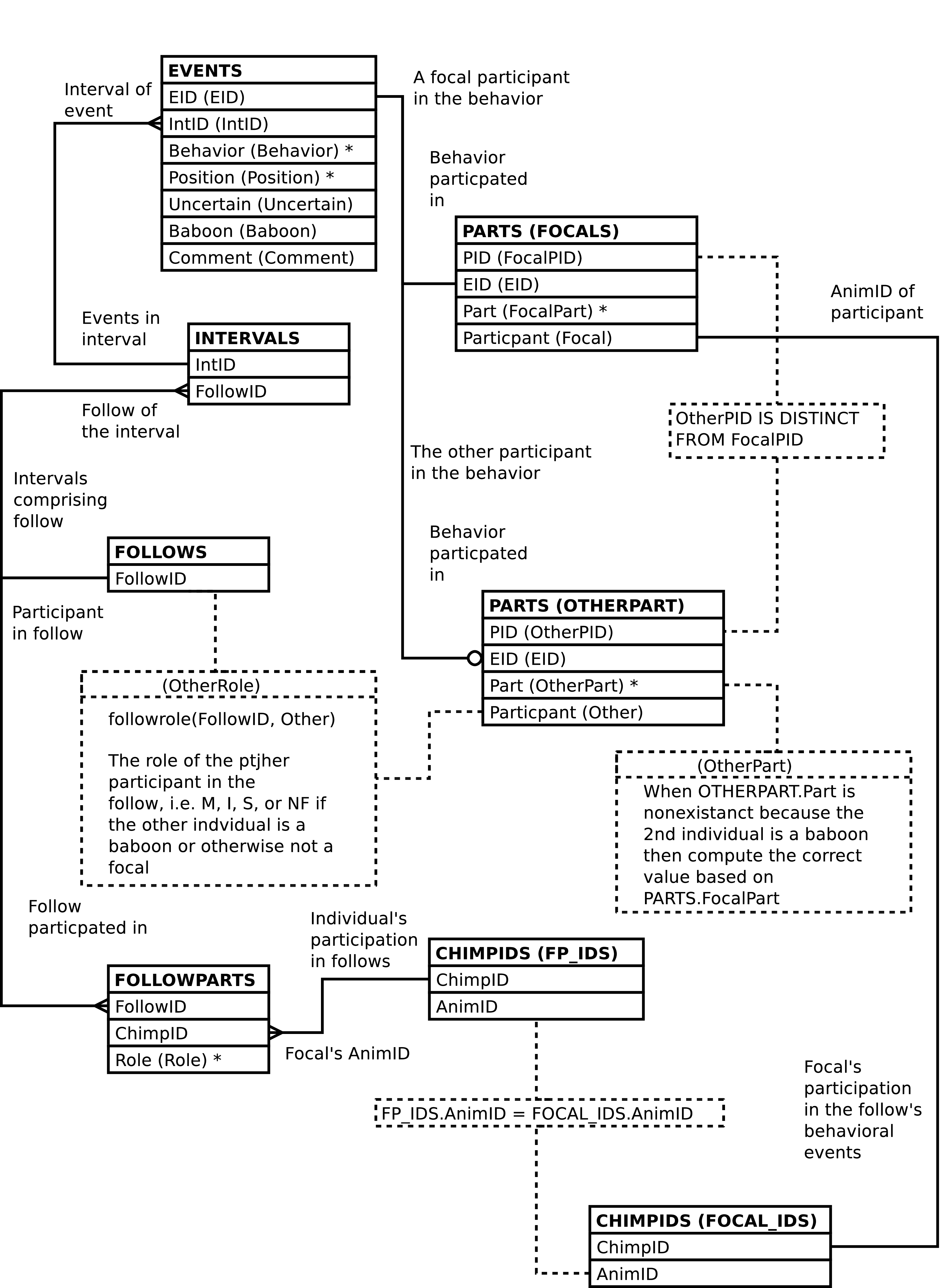
Figure 48. Query Defining the FOCAL_SOCIAL_EVENTS View
SELECT events.eid AS eid

     , events.intid AS intid

     , focals.pid AS focalpid

     , otherpart.pid AS otherpid

     , events.behavior AS behavior

     , events.position AS position

     , events.uncertain AS uncertain

     , followparts.role AS focalrole

     , focals.participant AS focal

     , focals.part AS focalpart

     , followrole(intervals.followid, otherpart.participant) AS otherrole

     , otherpart.participant AS other

     , otherpart.part AS otherpart

     , events.comment AS comment

  FROM events

         JOIN intervals

           ON (intervals.intid = events.intid)

         JOIN followparts

           ON (followparts.followid = intervals.followid)

         JOIN chimpids AS fp_ids

           ON (fp_ids.chimpid = followparts.chimpid)

         JOIN parts AS focals

           ON (focals.eid = events.eid)

         JOIN chimpids AS focal_ids

           ON (focal_ids.chimpid = focals.participant)

         JOIN parts AS otherpart

           ON (otherpart.eid = events.eid)

  WHERE focal_ids.animid = fp_ids.animid

        AND focals.pid <> otherpart.pid
;
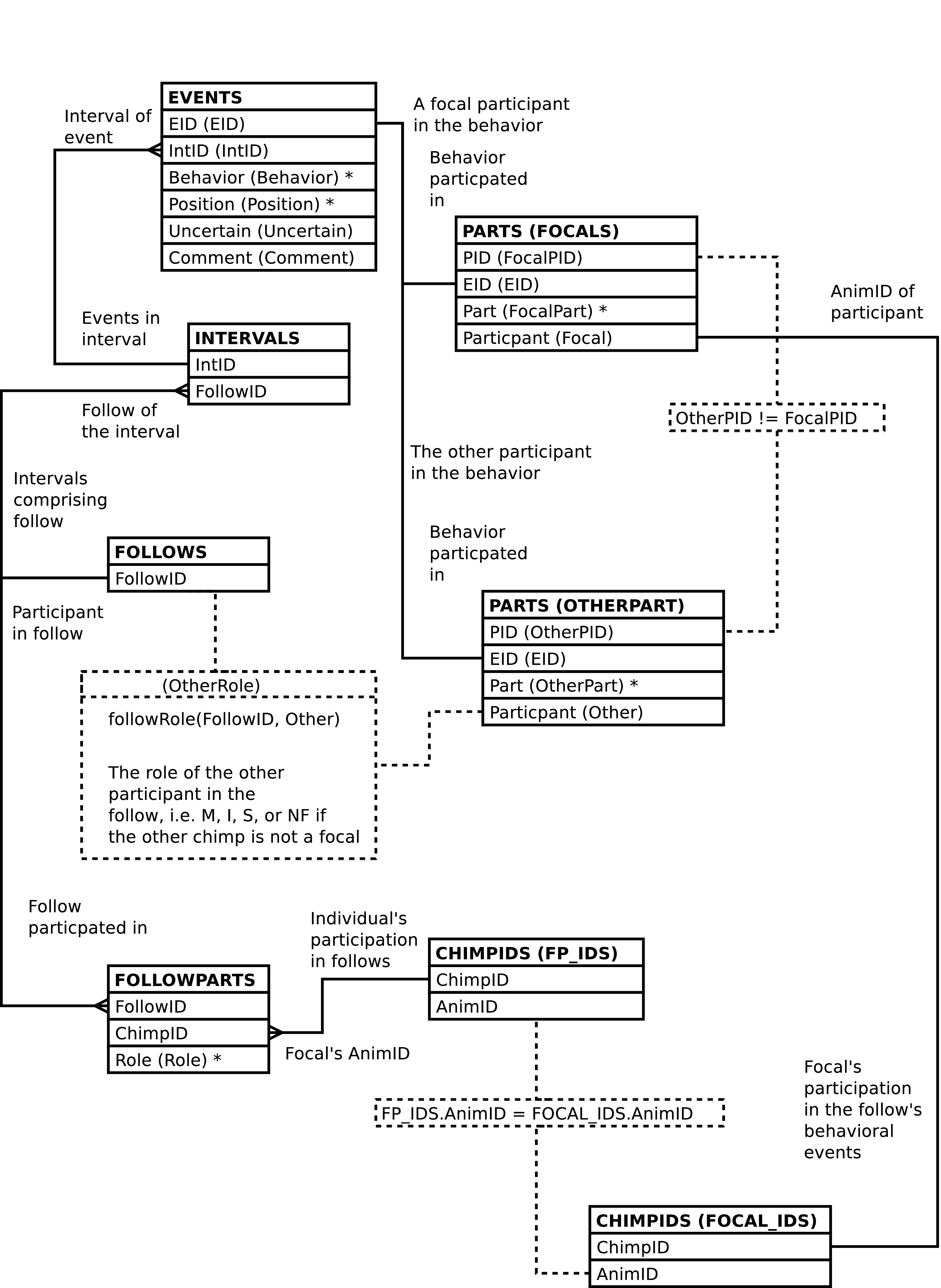
Figure 50. Query Defining the NOOBS View
SELECT followparts.followid AS followid

     , followparts.chimpid AS chimpid

     , followparts.role AS role

     , chimpids.animid AS animid

     , times.time AS time

  FROM followparts

         JOIN chimpids ON (chimpids.chimpid = followparts.chimpid)

         CROSS JOIN

           (SELECT GENERATE_SERIES('2000-01-01 gmi_day_start'::TIMESTAMP

                                 , '2000-01-01 gmi_day_end'::TIMESTAMP

                                 , '1 minute')::TIME

                   AS time

           ) AS times

  WHERE NOT EXISTS

          (SELECT 1

             FROM intervals

                  JOIN events ON (events.intid = intervals.intid)

                  JOIN parts ON (parts.eid = events.eid)

                  JOIN chimpids AS part_cids

                       ON (part_cids.chimpid = parts.participant)

            WHERE intervals.followid = followparts.followid

                  AND intervals.time = times.time

                  AND part_cids.animid = chimpids.animid

            LIMIT 1)
;
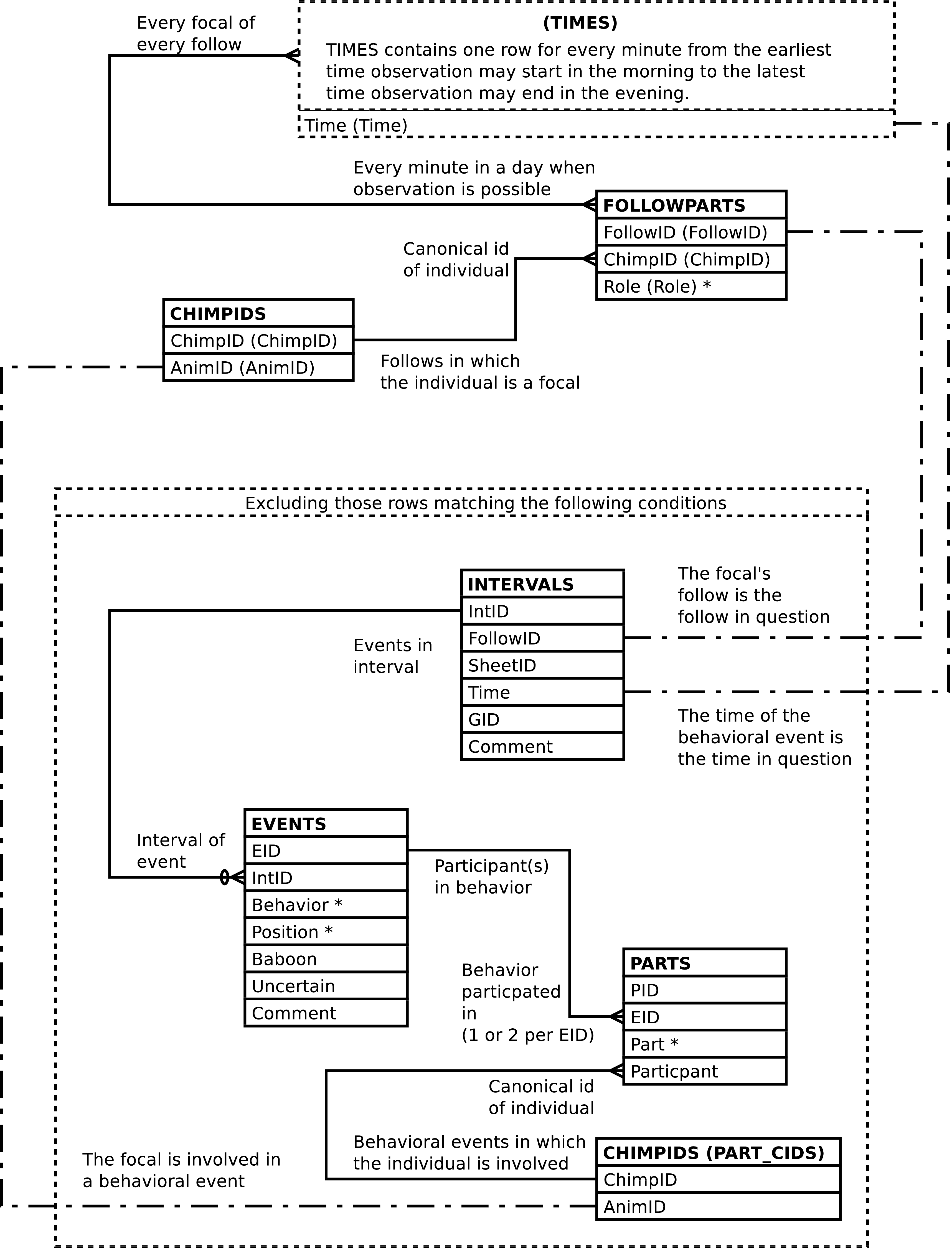
Figure 52. Query Defining the SOCIAL_BOUTS View: Part I
-- Note that we don't worry about leap seconds given

-- the time values in the db.


WITH detail AS

     -- Compute mins_in and mins_out

     (SELECT bouts.followid AS followid

           , bouts.intid AS intid

           , bouts.function AS function

           , bouts.animid AS animid

           , bouts.role AS role

           , bouts.chimpid AS chimpid

           , bouts.other_animid AS other_animid

           , bouts.bout AS bout

           , bouts.behavior AS behavior

           , bouts.uncertain AS uncertain

           , bouts.time AS time

           , (EXTRACT(EPOCH FROM bouts.time)

                - EXTRACT(EPOCH FROM FIRST_VALUE(bouts.time) OVER bout_w)

             ) / 60

             + 1

             AS mins_in

           , (EXTRACT(EPOCH FROM LAST_VALUE(bouts.time)

                                   OVER (bout_w RANGE BETWEEN CURRENT ROW

                                                AND UNBOUNDED FOLLOWING))

                - EXTRACT(EPOCH FROM bouts.time)

             ) / 60

             AS mins_out

        FROM

          -- Compute bout number by summing transition ticks

          (SELECT ticks.followid AS followid

                   , ticks.intid AS intid

                   , ticks.function AS function

                   , ticks.animid AS animid

                   , ticks.role AS role

                   , ticks.chimpid AS chimpid

                   , ticks.other_animid AS other_animid

                   , ticks.behavior AS behavior

                   , ticks.uncertain AS uncertain

                   , ticks.time AS time

                   , SUM(ticks.bouttick)

                       OVER (PARTITION BY ticks.followid

                                        , ticks.behavior

                                        , ticks.animid

                                        , ticks.other_animid

                             ORDER BY ticks.time

                                    , ticks.bouttick DESC)

                     AS bout
Figure 53. Query Defining the SOCIAL_BOUTS View: Part II
             FROM

               -- Distinguish one bout from another

               (SELECT intervals.followid AS followid

                     , intervals.intid AS intid

                     , followroles.function AS function

                     , part_cids.animid AS animid

                     , followparts.role AS role

                     , followparts.chimpid AS chimpid

                     , other_cids.animid AS other_animid

                     , events.behavior AS behavior

                     , BOOL_AND(events.uncertain) AS uncertain

                     , intervals.time AS time

                     , CASE

                         WHEN LAG(MIN(intervals.time)) OVER tick_w

                                = MIN(intervals.time) - '1 minute'::INTERVAL

                           THEN 0

                         ELSE

                           1

                       END

                       AS bouttick
Figure 54. Query Defining the SOCIAL_BOUTS View: Part III
                  FROM intervals

                         JOIN events

                              ON (events.intid = intervals.intid)

                         JOIN parts

                              ON (parts.eid = events.eid)

                         JOIN chimpids AS part_cids

                              ON (part_cids.chimpid = parts.participant)

                         JOIN chimpids AS fp_cids

                              ON (fp_cids.animid = part_cids.animid)

                         JOIN followparts

                              ON (followparts.followid = intervals.followid

                                  AND followparts.chimpid = fp_cids.chimpid)

                         JOIN followroles

                              ON (followroles.role = followparts.role)

                         JOIN parts AS other_parts

                              ON (other_parts.eid = events.eid

                                  AND other_parts.pid <> parts.pid)

                         JOIN chimpids AS other_cids

                              ON (other_cids.chimpid = other_parts.participant)

                  WHERE NOT(events.baboon)

                  GROUP BY intervals.followid

                     , intervals.intid

                     , part_cids.animid

                     , other_cids.animid

                     , events.behavior

                     -- The values that are unique per above anyway

                     , followroles.function

                     , followparts.role

                     , followparts.chimpid

                     , intervals.time

                  WINDOW tick_w AS (PARTITION BY intervals.followid

                                               , events.behavior

                                               , part_cids.animid

                                               , other_cids.animid

                                    ORDER BY MIN(intervals.time))

               ) AS ticks

          ) AS bouts

        WINDOW bout_w AS (PARTITION BY bouts.followid

                                     , bouts.behavior

                                     , bouts.animid

                                     , bouts.other_animid

                                     , bouts.bout

                          ORDER BY bouts.time)

      )
Figure 55. Query Defining the SOCIAL_BOUTS View: Part IV
  -- Distribute aggregated bout info over the bout's minutes

  SELECT detail.followid AS followid

       , detail.intid AS intid

       , detail.function AS function

       , detail.animid AS animid

       , detail.role AS role

       , detail.chimpid AS chimpid

       , summary.other_function AS other_function

       , detail.other_animid AS other_animid

       , summary.other_role AS other_role

       , summary.other_chimpid AS other_chimpid

       , detail.bout AS bout

       , detail.behavior AS behavior

       , detail.uncertain AS uncertain

       , detail.time AS time

       , detail.mins_in AS mins_in

       , detail.mins_out AS mins_out

       , summary.prior_gap AS prior_gap

       , summary.gap_noobs AS gap_noobs

       , summary.left_censored AS left_censored

       , summary.right_censored AS right_censored

       , summary.day_start AS day_start

       , summary.day_end AS day_end

    FROM

      detail

        JOIN

        (-- Determine the role the focal's social partner has

         -- in the follow family group, if any.

         SELECT bouts.followid AS followid

              , bouts.animid AS animid

              , bouts.other_animid AS other_animid

              , other_followroles.function AS other_function

              , other_followparts.role AS other_role

              , other_followparts.chimpid AS other_chimpid

              , bouts.behavior AS behavior

              , bouts.bout AS bout

              , bouts.prior_gap AS prior_gap

              , bouts.gap_noobs AS gap_noobs

              , bouts.left_censored AS left_censored

              , bouts.right_censored AS right_censored

              , bouts.day_start AS day_start

              , bouts.day_end AS day_end
Figure 56. Query Defining the SOCIAL_BOUTS View: Part V
          FROM

            (-- Aggregate per-bout information

             SELECT bout_ends.followid AS followid

                  , bout_ends.animid AS animid

                  , bout_ends.other_animid AS other_animid

                  , bout_ends.behavior AS behavior

                  , bout_ends.bout AS bout

                  , CASE

                      WHEN bout_ends.bout = 1 THEN

                        NULL

                      ELSE

                        SUM(bout_ends.prior_gap)

                    END

                    AS prior_gap

                  , CASE

                      WHEN bout_ends.bout = 1 THEN

                        NULL

                      ELSE

                        SUM(bout_ends.prior_gap)

                          -- Subtract number of minutes the focal had

                          -- any behaviors during the gap.

                          - (SELECT COUNT(DISTINCT intervals.intid)

                               FROM intervals

                                    JOIN events

                                         ON (events.intid = intervals.intid)

                                    JOIN parts

                                         ON (parts.eid = events.eid)

                                    JOIN chimpids

                                         ON (chimpids.chimpid

                                             = parts.participant)

                               WHERE intervals.followid = bout_ends.followid

                                     AND MIN(bout_ends.time)

                                           > intervals.time

                                     AND intervals.time

                                           >= MIN(bout_ends.time)

                                              - (SUM(bout_ends.prior_gap)

                                                 || ' minutes')::INTERVAL

                                     AND chimpids.animid = bout_ends.animid)

                    END

                    AS gap_noobs

                  , BOOL_OR(bout_ends.left_censored) AS left_censored

                  , BOOL_OR(bout_ends.right_censored) AS right_censored
Figure 57. Query Defining the SOCIAL_BOUTS View: Part VI
                  , CASE

                      WHEN bout_ends.bout = 1 THEN

                        NOT EXISTS

                              -- Behavioral data on the focal before the bout

                              (SELECT 1

                                 FROM

                                   intervals

                                     JOIN events

                                          ON (events.intid = intervals.intid)

                                     JOIN parts

                                          ON (parts.eid = events.eid)

                                     JOIN chimpids

                                          ON (chimpids.chimpid

                                              = parts.participant)

                                 WHERE intervals.followid = bout_ends.followid

                                       AND intervals.time

                                             < MIN(bout_ends.time)

                                       AND chimpids.animid = bout_ends.animid

                                 LIMIT 1)

                      ELSE

                        FALSE

                    END

                    AS day_start

                  , CASE

                      WHEN bout_ends.bout = LAST_VALUE(bout_ends.bout)

                                              OVER (PARTITION BY

                                                      bout_ends.followid

                                                    , bout_ends.animid

                                                    , bout_ends.behavior

                                                    ORDER BY bout_ends.bout

                                                    RANGE

                                                      BETWEEN CURRENT ROW

                                                      AND UNBOUNDED FOLLOWING)

                        THEN

                        NOT EXISTS

                          -- Behavioral data on the focal after the bout

                          (SELECT 1

                             FROM intervals

                                    JOIN events

                                         ON (events.intid = intervals.intid)

                                    JOIN parts

                                         ON (parts.eid = events.eid)

                                    JOIN chimpids

                                         ON (chimpids.chimpid

                                             = parts.participant)

                             WHERE intervals.followid = bout_ends.followid

                                   AND intervals.time > MAX(bout_ends.time)

                                   AND chimpids.animid = bout_ends.animid

                             LIMIT 1)

                      ELSE

                        FALSE

                    END

                    AS day_end
Figure 58. Query Defining the SOCIAL_BOUTS View: Part VII
               FROM

                 -- Examine the bout's endpoints to compute prior_gap, and

                 -- left and right censoring.

                 (SELECT detail.followid

                       , detail.animid

                       , detail.other_animid

                       , detail.behavior

                       , detail.bout

                       , detail.mins_in AS mins_in

                       , detail.mins_out AS mins_out

                       , CASE

                           WHEN detail.mins_in = 1 THEN

                             (EXTRACT(EPOCH FROM detail.time)

                                - EXTRACT(EPOCH FROM

                                          LAG(detail.time)

                                            OVER (PARTITION BY

                                                    detail.followid

                                                  , detail.animid

                                                  , detail.other_animid

                                                  , detail.behavior

                                                  ORDER BY detail.time))

                             ) / 60 - 1

                           ELSE

                             0

                         END

                         AS prior_gap

                       , CASE

                           WHEN detail.mins_in = 1 THEN

                             NOT EXISTS

                               (SELECT 1

                                  FROM

                                    intervals AS i

                                      JOIN events AS e

                                           ON (e.intid = i.intid)

                                      JOIN parts AS p

                                           ON (p.eid = e.eid)

                                      JOIN chimpids AS p_cids

                                           ON (p_cids.chimpid = p.participant)

                                  WHERE i.followid = detail.followid

                                        AND i.time = detail.time

                                                     - '1 minute'::INTERVAL

                                        AND p_cids.animid = detail.animid

                                        LIMIT 1)

                           ELSE

                             FALSE

                           END

                         AS left_censored
Figure 59. Query Defining the SOCIAL_BOUTS View: Part VIII
                       , CASE

                           WHEN detail.mins_out = 0 THEN

                             NOT EXISTS

                               (SELECT 1

                                  FROM

                                    intervals AS i

                                      JOIN events AS e

                                           ON (e.intid = i.intid)

                                      JOIN parts AS p

                                           ON (p.eid = e.eid)

                                      JOIN chimpids AS p_cids

                                           ON (p_cids.chimpid = p.participant)

                                  WHERE i.followid = detail.followid

                                        AND i.time = detail.time

                                                     + '1 minute'::INTERVAL

                                        AND p_cids.animid = detail.animid

                                        LIMIT 1)

                           ELSE

                             FALSE

                           END

                         AS right_censored

                       , detail.time AS time

                    FROM detail

                    WHERE detail.mins_in = 1

                          OR detail.mins_out = 0

                 ) AS bout_ends

               GROUP BY bout_ends.followid

                      , bout_ends.animid

                      , bout_ends.other_animid

                      , bout_ends.behavior

                      , bout_ends.bout

            ) AS bouts

            JOIN chimpids AS other_chimpids

                 ON (other_chimpids.animid = bouts.other_animid)

            LEFT OUTER JOIN followparts AS other_followparts

                            ON (other_followparts.followid = bouts.followid

                                AND other_followparts.chimpid

                                    = other_chimpids.chimpid)

            LEFT OUTER JOIN followroles AS other_followroles

                            ON (other_followroles.role

                                = other_followparts.role)

        ) AS summary

          ON (summary.followid = detail.followid

              AND summary.animid = detail.animid

              AND summary.other_animid = detail.other_animid

              AND summary.behavior = detail.behavior

              AND summary.bout = detail.bout)
;
Figure 61. Query Defining the SOCIAL_BOUT_AGGS View
SELECT social_bouts.followid AS followid

     , social_bouts.function AS function

     , social_bouts.animid AS animid

     , social_bouts.role AS role

     , social_bouts.chimpid AS chimpid

     , social_bouts.other_function AS other_function

     , social_bouts.other_animid AS other_animid

     , social_bouts.other_role AS other_role

     , social_bouts.other_chimpid AS other_chimpid

     , social_bouts.bout AS bout

     , social_bouts.behavior AS behavior

     , BOOL_OR(social_bouts.uncertain) AS uncertain

     , MIN(social_bouts.time) AS start_time

     , MAX(social_bouts.time) AS stop_time

     , social_bouts.prior_gap AS prior_gap

     , social_bouts.gap_noobs AS gap_noobs

     , social_bouts.left_censored AS left_censored

     , social_bouts.right_censored AS right_censored

     , social_bouts.day_start AS day_start

     , social_bouts.day_end AS day_end

  FROM social_bouts

  GROUP BY social_bouts.followid

         , social_bouts.animid

         , social_bouts.other_animid

         , social_bouts.bout

         , social_bouts.behavior

         -- The values that are unique per above anyway

         , social_bouts.function

         , social_bouts.role

         , social_bouts.chimpid

         , social_bouts.other_function

         , social_bouts.other_role

         , social_bouts.other_chimpid

         , social_bouts.prior_gap

         , social_bouts.gap_noobs

         , social_bouts.left_censored

         , social_bouts.right_censored

         , social_bouts.day_start

         , social_bouts.day_end
;
Figure 62. Entity Relationship Diagram of the SOCIAL_BOUT_AGGS View
Figure 63. Query Defining the SOCIAL_EVENTS View
SELECT events.eid AS eid

     , events.intid AS intid

     , part1.pid AS part1pid

     , part2.pid AS part2pid

     , events.behavior AS behavior

     , events.position AS position

     , events.uncertain AS uncertain

     , followrole(intervals.followid, part1.participant) AS part1role

     , part1.participant AS participant1

     , part1.part AS part1

     , followrole(intervals.followid, part2.participant) AS part2role

     , part2.participant AS participant2

     , part2.part AS part2

     , events.comment AS comment

  FROM events

         JOIN intervals

           ON (intervals.intid = events.intid)

         JOIN parts AS part1

           ON (part1.eid = events.eid)

         JOIN parts AS part2

           ON (part2.eid = events.eid)

  WHERE part1.pid <> part2.pid
;
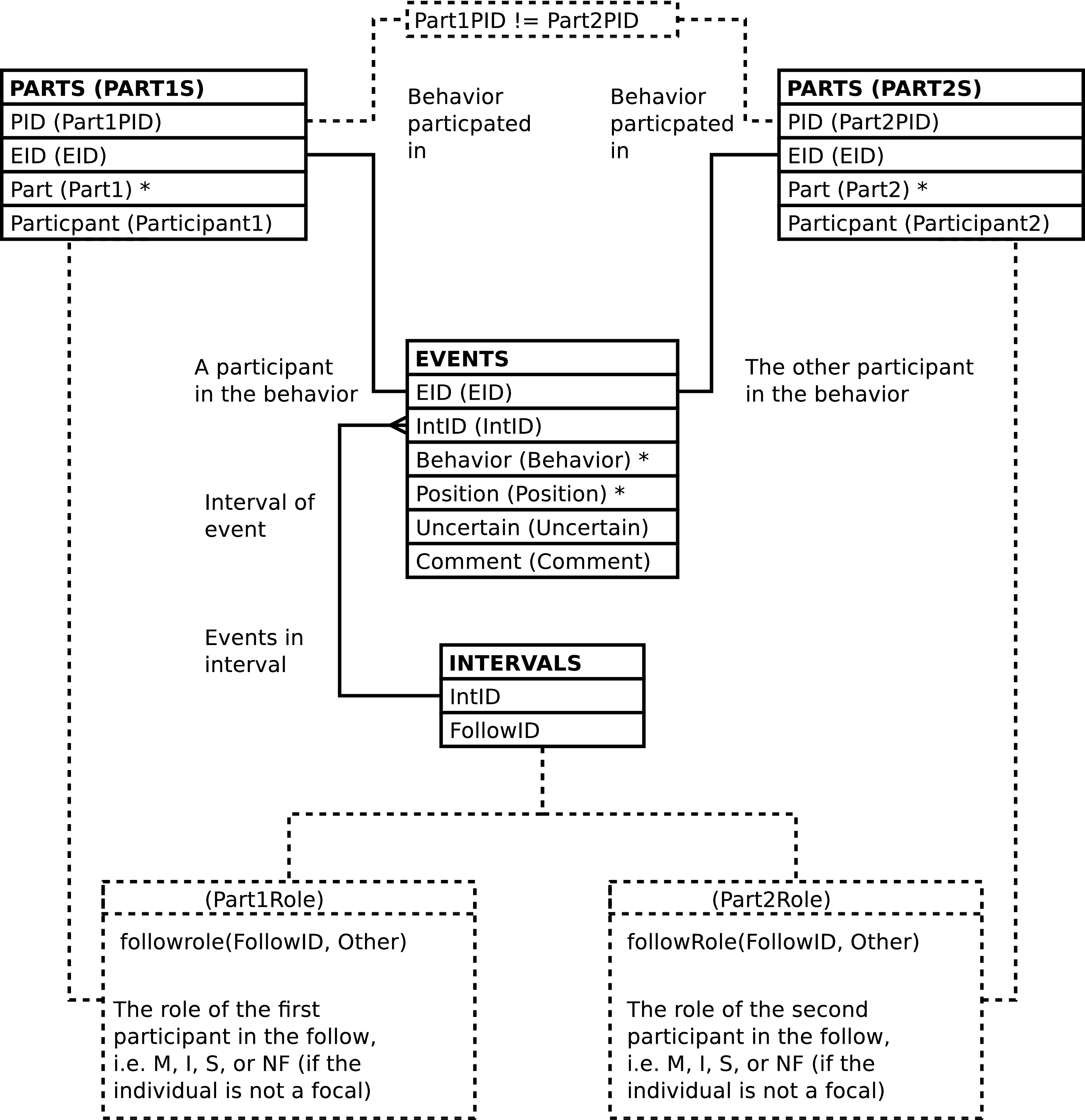
Figure 65. Query Defining the SOCIAL_EVENTS_W_BABOONS View: Part I
SELECT events.eid AS eid

     , events.intid AS intid

     , part1.pid AS part1pid

     , part2.pid AS part2pid

     , events.behavior AS behavior

     , events.position AS position

     , events.uncertain AS uncertain

     , followrole(intervals.followid, part1.participant) AS part1role

     , FALSE AS part1baboon

     , part1.participant AS participant1

     , part1.part AS part1

     , followrole(intervals.followid, part2.participant) AS part2role

     , FALSE AS part2baboon

     , part2.participant AS participant2

     , part2.part AS part2

     , events.comment AS comment

  FROM events

         JOIN intervals

           ON (intervals.intid = events.intid)

         JOIN parts AS part1

           ON (part1.eid = events.eid)

         JOIN parts AS part2

           ON (part2.eid = events.eid)

  WHERE part1.pid <> part2.pid
Figure 66. Query Defining the SOCIAL_EVENTS_W_BABOONS View: Part II
UNION

  SELECT events.eid AS eid

       , events.intid AS intid

       , part1.pid AS part1pid

       , NULL AS part2pid

       , events.behavior AS behavior

       , events.position AS position

       , events.uncertain AS uncertain

       , followrole(intervals.followid, part1.participant) AS part1role

       , FALSE AS part1baboon

       , part1.participant AS participant1

       , part1.part AS part1

       , 'NF' AS part2role

       , TRUE AS part2baboon

       , NULL::VARCHAR(gmi_animid_len) AS participant2

       , CASE

           WHEN part1.part = 'gmi_actor' THEN

             'gmi_actee'

           WHEN part1.part = 'gmi_actee' THEN

             'gmi_actor'

           ELSE

             'gmi_participant'

         END::parts_part

         AS part2

       , events.comment AS comment

  FROM events

         JOIN intervals

           ON (intervals.intid = events.intid)

         JOIN parts AS part1

           ON (part1.eid = events.eid)

  WHERE events.baboon
Figure 67. Query Defining the SOCIAL_EVENTS_W_BABOONS View: Part III
UNION

  SELECT events.eid AS eid

       , events.intid AS intid

       , NULL AS part1pid

       , part2.pid AS part2pid

       , events.behavior AS behavior

       , events.position AS position

       , events.uncertain AS uncertain

       , 'NF' AS part1role

       , TRUE AS part1baboon

       , NULL::VARCHAR(gmi_animid_len) AS participant1

       , CASE

           WHEN part2.part = 'gmi_actor' THEN

             'gmi_actee'

           WHEN part2.part = 'gmi_actee' THEN

             'gmi_actor'

           ELSE

             'gmi_participant'

         END::parts_part

         AS part1

       , followrole(intervals.followid, part2.participant) AS part2role

       , FALSE AS part2baboon

       , part2.participant AS participant2

       , part2.part AS part2

       , events.comment AS comment

  FROM events

         JOIN intervals

           ON (intervals.intid = events.intid)

         JOIN parts AS part2

           ON (part2.eid = events.eid)

  WHERE events.baboon
;
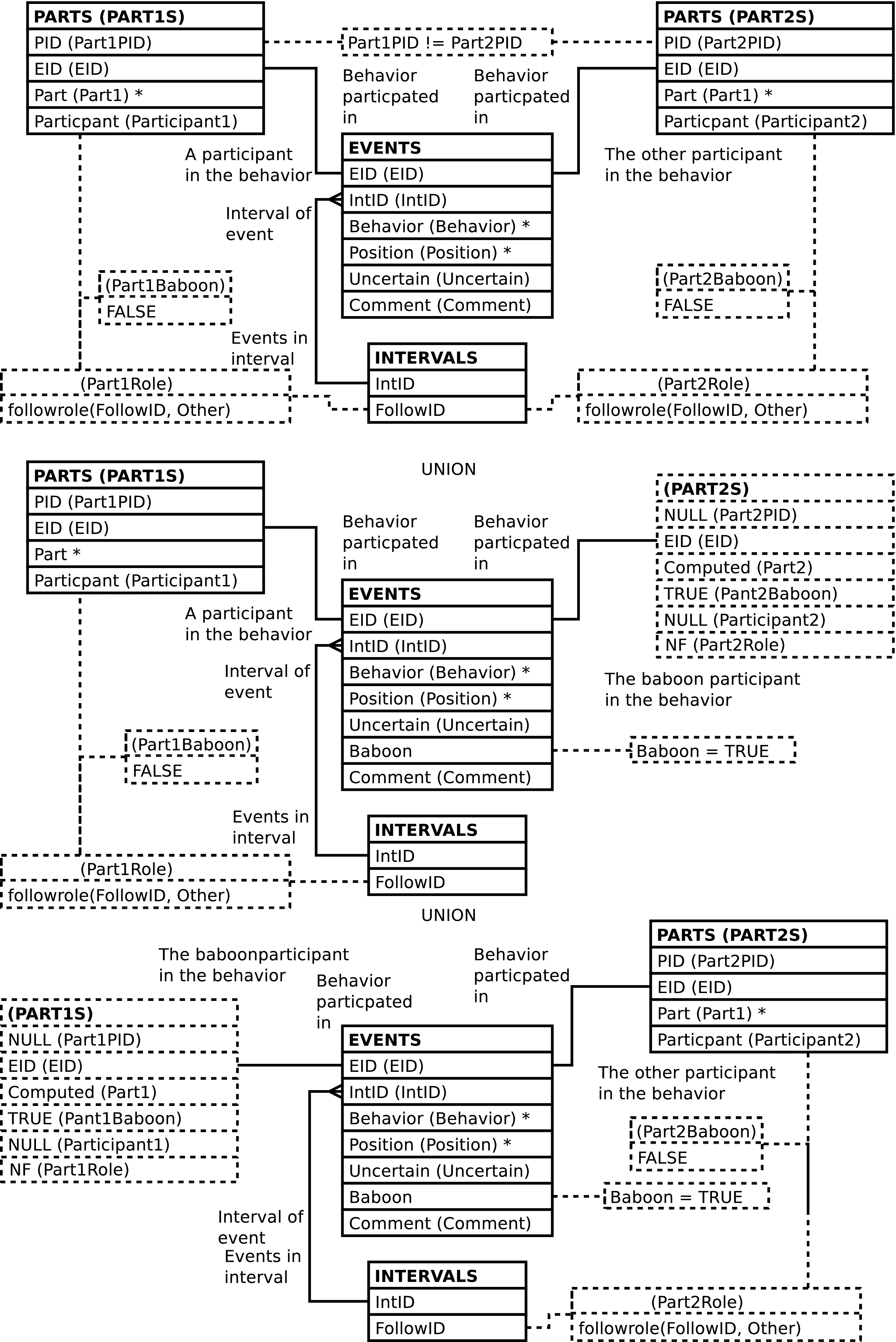
Figure 69. Query Defining the DISTS View
SELECT distances.distid AS distid

     , distances.intid AS intid

     , dpart1s.dpid AS dpart1pid

     , dpart2s.dpid AS dpart2pid

     , distances.uncertain AS uncertain

     , dpart1s.role AS dpart1role

     , dpart1s.participant AS participant1

     , dpart2s.role AS dpart2role

     , dpart2s.participant AS participant2

     , distances.distance AS distance

  FROM distances

         JOIN distanceparts AS dpart1s

           ON (dpart1s.distid = distances.distid)

         JOIN distanceparts AS dpart2s

           ON (dpart2s.distid = distances.distid)

  WHERE dpart1s.dpid <> dpart2s.dpid
;
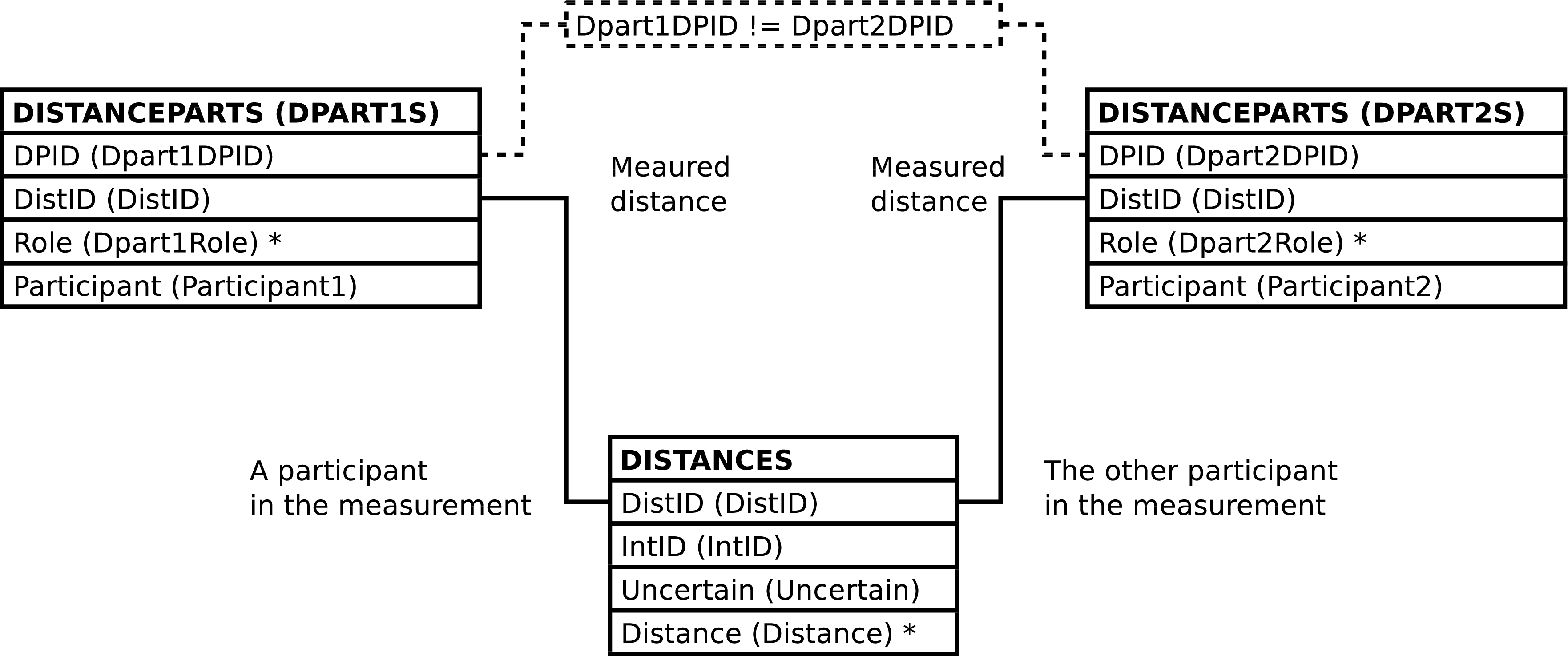
Figure 71. Query Defining the FAMILY_DISTS View: Part I
SELECT focal_follows.followid AS followid

     , intervals.intid AS intid

     , distances.distid AS distid

     , moms.dpid AS d_momdpid

     , infants.dpid AS d_infantdpid

     , sibs.dpid AS d_sibdpid

     , focal_follows.date AS date

     , intervals.time AS time

     , focal_follows.mom AS mom

     , focal_follows.infant AS infant

     , focal_follows.infant2 AS infant2

     , focal_follows.sib AS sib

     , focal_follows.sib2 AS sib2

     , distances.uncertain AS uncertain

     , moms.participant AS d_mom

     , moms.role as d_momrole

     , infants.participant AS d_infant

     , infants.role AS d_infantrole

     , sibs.participant AS d_sib

     , sibs.role AS d_sibrole

     , distances.distance AS distance

     , intervals.comment AS i_comment
Figure 72. Query Defining the FAMILY_DISTS View: Part II
  FROM focal_follows

         JOIN intervals

           ON (intervals.followid = focal_follows.followid)

         JOIN distances

           ON (distances.intid = intervals.intid)

         LEFT OUTER JOIN

           (SELECT distanceparts.dpid AS dpid

                 , distanceparts.distid AS distid

                 , distanceparts.participant AS participant

                 , distanceparts.role AS role

                 , followroles.function AS function

              FROM distanceparts

                     JOIN followroles

                       ON (followroles.role = distanceparts.role)

           ) AS moms

               ON (moms.distid = distances.distid

                   AND moms.function = 'gmi_mom')

         LEFT OUTER JOIN

           (SELECT distanceparts.dpid AS dpid

                 , distanceparts.distid AS distid

                 , distanceparts.participant AS participant

                 , distanceparts.role AS role

                 , followroles.function AS function

              FROM distanceparts

                     JOIN followroles

                       ON (followroles.role = distanceparts.role)

           ) AS infants

               ON (infants.distid = distances.distid

                   AND infants.function = 'gmi_infant')

         LEFT OUTER JOIN

           (SELECT distanceparts.dpid AS dpid

                 , distanceparts.distid AS distid

                 , distanceparts.participant AS participant

                 , distanceparts.role AS role

                 , followroles.function AS function

              FROM distanceparts

                     JOIN followroles

                       ON (followroles.role = distanceparts.role)

           ) AS sibs

               ON (sibs.distid = distances.distid

                   AND sibs.function = 'gmi_sib')
;
